Where the Data Runs Out
Personal views and market commentary. Not investment advice. Not associated with any employer or firm.
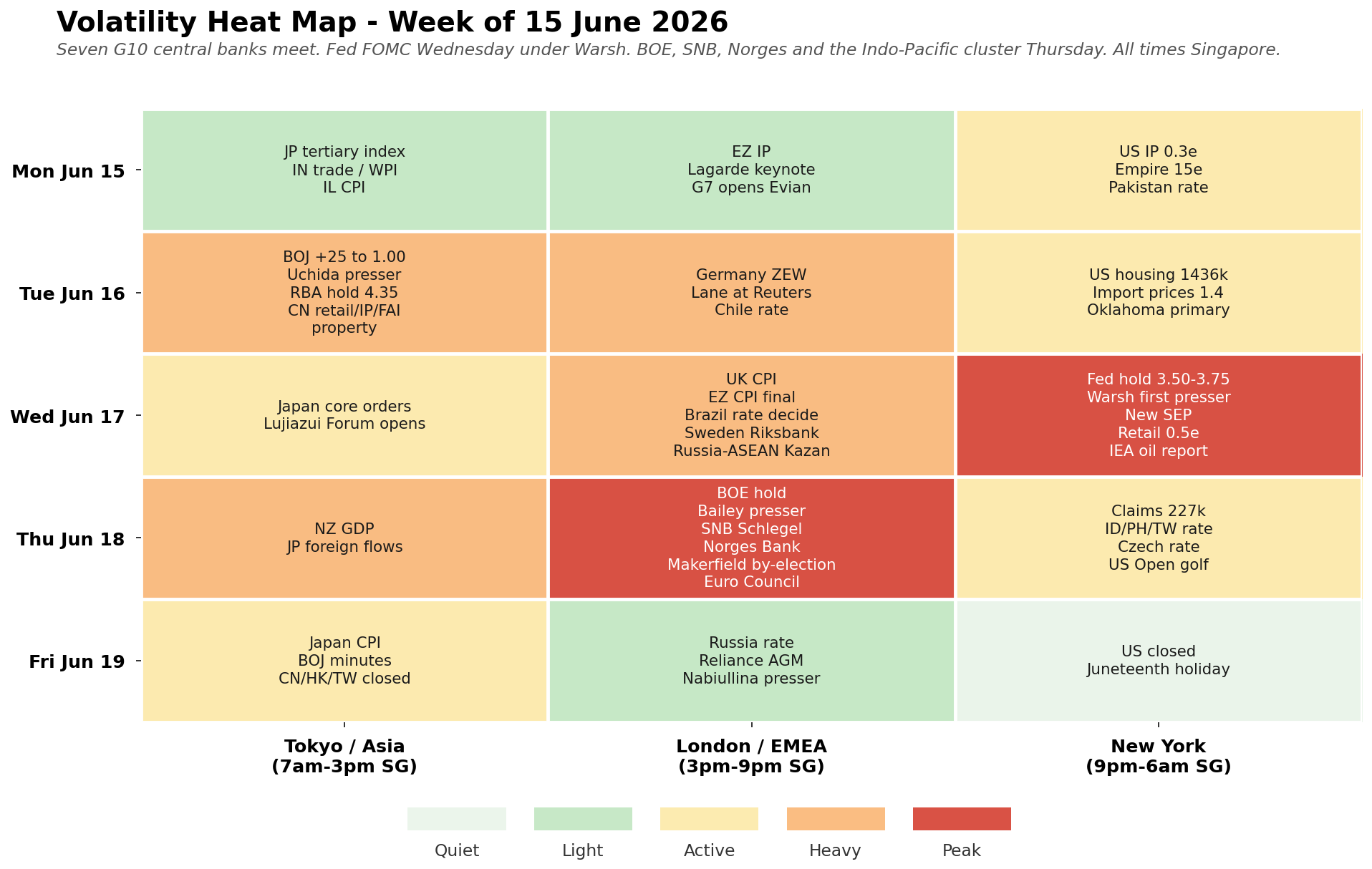
Volatility heat map for the week ahead, all times Singapore. Seven G10 central banks meet. Wednesday New York is the peak with the Fed FOMC and Warsh's first press conference plus a new SEP, US retail sales the same morning, alongside UK CPI, eurozone CPI final, Brazil rate, Sweden Riksbank, Russia-ASEAN summit in Kazan. Tuesday Asia carries the BOJ +25 to 1.00 (Uchida chairs, Ueda hospitalised) and the RBA hold. Thursday brings BOE, SNB, Norges, plus Indonesia, Philippines and Taiwan, on the same morning as the Makerfield by-election. Friday is the US Juneteenth + China, HK, Taiwan Dragon Boat — liquidity dies down to Japan CPI and Russia rate only.
"Once you and I are sharing the same data and have a pretty similar understanding of that data, what separates us then? It is just which of us people-wise does a better job with that data, the more subjective parts that have an influence on player outcomes." — Eric Longenhagen, lead prospect analyst at FanGraphs, on the post-Moneyball baseball scout. Twenty years after Billy Beane bought wins at $260,000 each with sabermetrics, every front office runs the same models on the same data and the edge has collapsed. The scout, who reads embodied presence, who sees who a player could become, was supposed to be obsolete. Scout headcount roughly doubled instead. Tacit knowledge is the monetary metal of the knowledge economy. It cannot be printed or copied, and it is repriced upward every time the explicit medium around it is inflated toward worthlessness. AI is doing to every domain of explicit knowledge what sabermetrics did to on-base percentage. The trader’s task follows. Do not ask what the data says. Everyone has the data. Ask what the data cannot carry, and position at the edge of measurement.
"The first principle is that you must not fool yourself, and you are the easiest person to fool." — Richard Feynman, Caltech commencement address, 1974. The market always plays you out. Every Monday the consensus has no room for lower rates. Every Friday the print pulls a different way. Feynman’s line is the discipline. The edge is in keeping the contrary scenario alive even when it sounds stupid in the room.
"A nation that possesses powerful AI facing one without it could be the equivalent of an army of WWII Marines facing medieval swordsmen." — Dario Amodei, Policy on the AI Exponential, June 2026. Amodei’s sentence is the framing for the export-control story that closed our last week. Anthropic's own Fable 5 was pulled at US government request on national security grounds. The export-control envelope is widening from chips to model releases. The trillion-dollar SpaceX valuation is one expression of the AI race; the asymmetric warfare-grade gap between AI-haves and have-nots is the other. For a markets reader, the trade is at every step of the stack the West controls, and at the geographies that are being locked out. Stay long the buildout. Stay short the assumption that this is a domestic political risk story. It is increasingly a geopolitical-power-projection one.
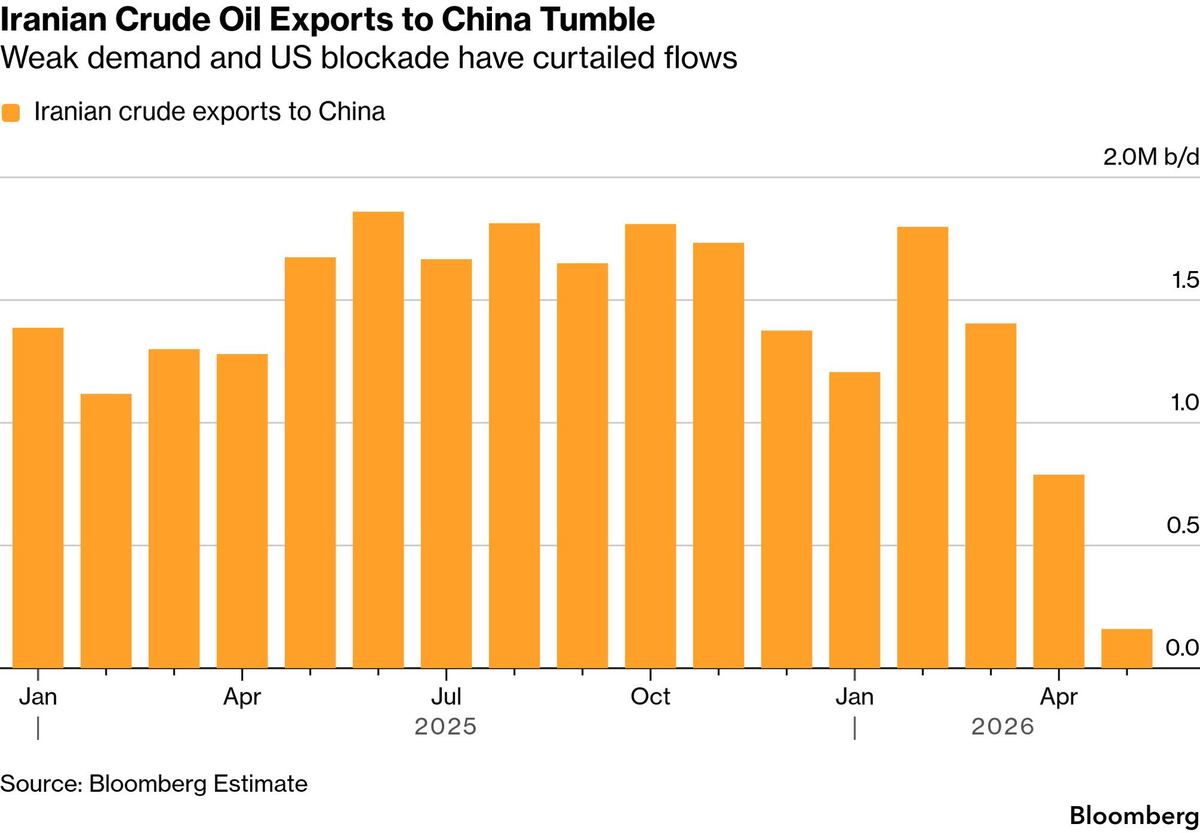
Iran's oil lifeline faces its biggest test as China steps back. Iranian crude flows to China collapsed to about 160,000 barrels per day in May from 1.8 million in February, with no Iranian oil transiting the Strait of Hormuz this month per Vortexa. China's independent teapot refiners cut operating rates and purchases, sellers slashed prices. The US naval blockade is choking the resilient sanctions-survival trade. Source: Bloomberg.
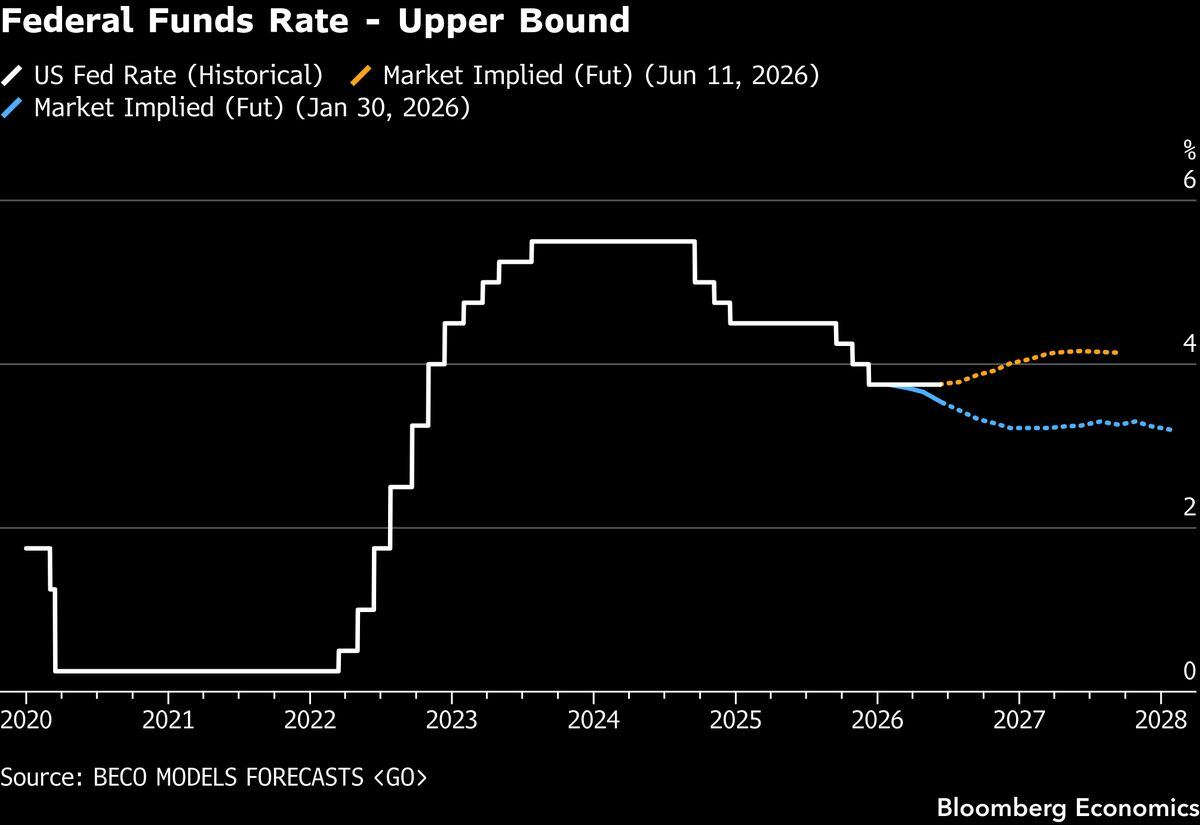
FOMC Wednesday — Warsh's debut press conference. The committee will almost certainly leave rates unchanged at 3.50 to 3.75. The biggest source of intrigue is which Warsh shows up: the recent advocate of lower rates, or the inflation hawk we saw during and after the GFC. BE expects him to avoid explicit guidance and give a two-sided interpretation of recent inflation and labour data. He may use the occasion to announce administrative initiatives including a review of the communications framework. The more important signal is the dot plot. BE expects the median to move to no cuts this year from one 25bp reduction in the March SEP. Source: Bloomberg Economics.
What is the plan this week?
The week starts with three open questions. First, whether the MOU on the Middle East is really going to happen. Trump is moving on. The UFC card on the South Lawn this week for his 80th birthday, the World Cup running, the SpaceX IPO behind him. The choke point is hitting the bottom of the inventory pile everywhere in the world. Vortexa reports no Iranian crude transited Hormuz in May. Iranian flows to China collapsed to 160,000 barrels per day from 1.8 million in February. Iran is feeling the leverage but has a fair chance to stand down if given enough room. The conflict may take a pause. The market is still expecting oil prices to hold sticky into a deal.
Second, seven G10 central bank monetary policy decisions on the same week, Warsh first. Every roundtable gets the same debate: pragmatic or dovish. Last week’s slightly lower than predicted core CPI (2.8% vs 2.9% consensus) plus the lower oil prices may allow him to keep the party going rather than poke inflation fears. He has been said to be less forward-guiding, which may leave people guessing after the FOMC. Markets hope not. The Trump headlines have flipped the Iran war on and off countless times in the last few weeks, and a Fed that signals little and signals late is just one more layer of noise the book has to absorb. Powell sitting alongside Warsh at the table is the unprecedented optics.
Rates have been reacting to softer oil all of last week, the USD weaker into the week. Equities sold into the SpaceX IPO and still closed the week strong, S&P, DJIA and Nasdaq each +0.7%. It does look like the small correction is over and we will spend the summer staying constructive, earning carry, pricing out elevated curves. If only it were that easy.
Third, the rest of the central bank cluster. The BOJ goes ahead Tuesday with the rate hike to 1.00% baked in, the first time at 1% since 1995. Ueda hospitalised, Deputy Governor Uchida chairs the press conference, the first BOJ governor to miss a scheduled meeting since at least 1998. With the move well-telegraphed, the yen unlikely to materially benefit. The bigger questions are QT reduction and any intervention coordination on JPY weakness if it keeps grinding higher. Both impede the carry trades. The RBA Tuesday is widely expected to hold at 4.35%, the mini-tightening cycle done. AUDNZD may trigger more correction lower with it. The SNB Thursday on the strong franc, the BoE Thursday holds the line against weakening UK data, Norges holds, Indonesia hikes after this past week’s surprise intra-meeting move, Philippines, Taiwan, Brazil, Sweden, Russia, Ukraine, Chile, Czech all in the same week. The seven-central-bank cluster is the busiest the calendar gets all year.
UK data this week further validates the weakness. Industrial production already contracted 0.1% in April, the May CPI and the labour-market update due. What is BoE going to do? Hold and hope. Bailey at the presser Thursday. The Makerfield by-election the same morning could put Manchester Mayor Burnham back in Westminster as a precursor to challenging Starmer for the Labour leadership. China retail sales Monday is the read on whether the consumer can pick up. Retail sales likely declined year-on-year for the first time since end-2022 per BE. Industrial output ~4.3%, fixed-asset investment contraction deepening, housing prices still looking for a floor. The Chinese consumer is the marginal read on the AI-hardware-led trade story.
The plan this week. Watch oil. The past few weeks have been wrong in calling direction as the market sits in a tight range with low realised vol. If we get a strong de-escalation through the MOU, a lot of the curves are pricing too much hike and a few EM Asian currencies can rally over the summer. The USD path depends a lot on Warsh’s tone at the FOMC. The hikes priced in by year-end can easily wipe out. Long USD trimmed at the front end on the bear-flattener trade. AUDNZD short held, long CNH held with the PBOC still walking the yuan higher (CNH 6.7590 Friday a 3-year low for the dollar). Pay US short end on any Warsh-hawkish surprise. And contradicting myself: no one in a Monday meeting can come out with a scenario where rates are lower from here. That alone is reason enough to keep the long-rates trade alive in the book. Stay nimble.
What did I learn last week?
Mon Jun 8: Japan Q1 GDP revised to 0.8% from 2.1% on weaker capex. South Korea Q1 GDP preliminary +1.8% QoQ vs 1.7% advance. Eurozone Sentix investor confidence -13.4. China RatingDog services 52.6. Iran IRGC declared end of military operations against Israel.
Tue Jun 9: China May CPI 1.2% vs 1.3%e below the 2% target. China considers $295B plan to build AI data centres nationwide over 5 years. Indonesia surprised with +25bp to 5.50% intra-meeting. Anthropic launched Claude Fable 5 (Mythos-class made safe for general use), subsequently pulled at US government request on national security grounds — the AI export-control envelope is widening from chips to model releases, regulatory layer upstream of the Anthropic and OpenAI IPO calendar.
Wed Jun 10: US May CPI +0.5% MoM, 4.2% YoY (3-year high), core 0.3% MoM, 2.8% YoY (cooler). Atlanta sticky-CPI 2.9% from 4.6%. BoC held at 2.25%. BOJ said Ueda hospitalised ~2 weeks. Treasury 10y auction tailed at 4.538%.
Thu Jun 11: Trump says ended war with Iran. Strait of Hormuz reopens as soon as deal is signed. ECB +25bp to 2.25% — first hike since Sept 2023. Initial claims 229k. Adobe cut FY EPS outlook. NATO assessment "war has never felt this close".
Fri Jun 12: SpaceX IPO priced 555.6M shares at $135 — Musk now the first trillionaire. UMich preliminary June 48.9 vs 46.0e. Trump claimed Iran lied about MOU terms but senior official said 80-85% deal probability. Virgin Galactic -30% on Friday.
All week: S&P, DJIA, Nasdaq each +0.7%. DXY just below 100 at Friday close. EUR back to 1.1590 from 1.15 support. USDJPY settled above 160 second consecutive week, peaked 160.60. AUD recovered to 0.7020-0.7055. USDCAD CAD1.4025 best since November. Brent and WTI well below $90, early-March levels. 10y 4.48%. Gold $4,239, second weekly loss. Bitcoin $63,000.
What to look out for next week?
Sun Jun 14: Switzerland votes on the 10M population cap and the military-service tightening. Trump turns 80, hosts UFC card on the South Lawn. F1 Spanish GP.
Mon Jun 15: G7 leaders summit begins in Evian-les-Bains through June 17. ECB Lagarde delivers keynote Frankfurt. US IP 0.3%e, Empire Manufacturing 15e from 19.6 four-year high. India trade/WPI, Israel CPI, Pakistan rate. Eurozone IP.
Tue Jun 16: BOJ +25bp to 1.00% — first time at 1% since 1995. Uchida chairs press conference, Ueda hospitalised. RBA expected hold at 4.35%. China May retail sales, IP, fixed-asset investment, property prices. Germany ZEW. Chile rate. US housing starts 1436k, import prices 1.4%. ECB Lane at Reuters London.
Wed Jun 17: FOMC holds 3.50-3.75%, Warsh's first press conference + new SEP, median dot to no cuts this year. US May retail sales 0.5%e — the consumer read into the FOMC the same morning. UK May CPI. Eurozone CPI final + ECB Wage Tracker. Brazil central bank cut or pause debate. Sweden Riksbank likely hold. Russia-ASEAN Kazan summit. Lujiazui Forum Shanghai. VivaTech Paris. IEA monthly oil report.
Thu Jun 18: BOE holds, Bailey presser. SNB Schlegel presser. Norges Bank holds. Indonesia rate — another hike likely. Philippines, Taiwan, Czech rate. Makerfield UK by-election — Burnham challenge to Starmer. NZ GDP. European Council Brussels on Iran fallout. US Open golf opens.
Fri Jun 19: US Juneteenth + China, Hong Kong, Taiwan Dragon Boat — markets closed. Liquidity dies down through Friday after a 7-central-bank, FOMC-anchored week. Japan May CPI + BOJ minutes. Russia rate decision, Nabiullina presser. Canada/UK retail sales. Reliance AGM India.
All week: Seven G10 central banks meet — Fed, BOJ, RBA, BOE, SNB, Norges plus Sweden. Fed FOMC + US retail sales Wednesday is the gate, Warsh's first press conference. BOJ Tuesday delivers the first 1% rate since 1995. G7 in Evian, Russia-ASEAN in Kazan, Lujiazui in Shanghai, VivaTech in Paris all in parallel. Friday after FOMC is the liquidity die-down into the holiday weekend.
Beyond next week
Jun 22: OPEC+ JMMC — production-cut path under review.
Jun 25: US PCE May print — the Fed's preferred inflation gauge.
Jun 30: Quarter-end. SpaceX index-inclusion debate continues.
Early Jul: NATO summit. ECB July decision.
Mid Jul: Earnings season opens.
Jul 19: FIFA World Cup final.
Late Jul: Anthropic IPO rumoured.
Aug: UN funding cliff — Guterres flags mid-August financial collapse.
Regimes
US growth signal stays clean, the bond market and the Fed-cut crowd both wrong-footed. 172k NFP doubled expectations, May CPI cooler core gives breathing room but headline 4.2% still hot. BE median dot moves to no cuts this year. Carry into 3-6m USD upside through Warsh first FOMC. evolved, week 5
G7 long-end stress evolved into the bear flattener, the curve catch-up at the front. The most painful curve move when the market is positioned for cuts and gets a hike. Pay US short end on Warsh-hawkish. Same trade across UK, JGB, EU rates. evolved, week 6
European structural rebalance pauses on the dollar bid, the long-EUR sleeve stopped. EUR through 1.16 to 1.15 hit, then back to 1.1590 on Iran optimism. ECB hike delivered, the September follow-up the deeper question. The structural overhang frame still intact but the cyclical USD bid dominates. evolved, week 4
AI capex regime moves from valuation reset to absorption test passed. Nasdaq doubled since Liberation Day April 2025, +34% from Iran-shock bottom. SpaceX absorbed at $1.8T without breaking the tape. Oracle and Adobe earnings disappointed. The question shifts from "is the bubble" to "what compounds next". evolved, week 8
Top 10% wealth-spending channel under threat, the Main Street vs Wall Street divide tested. Top 10% earners account for 50% of US consumer spending. The Fed report shows 63% can cover $400 emergency expense, but 18% have only $100 in savings vs 38% with $5k+. The wealth-effect channel anchors GDP but cracks under equity drawdown. evolved, week 3
Shifts (if → then)
If Warsh signals dovish at the FOMC Wednesday → curve eases, dollar fades, the bear flattener pauses, AUDNZD short can be added at better levels, EUR sleeve re-added. new
If Warsh signals data-dependent hawkish → September hike comes back into play, USD extends to DXY 100.65, the bear flattener accelerates through the 2-year. new
If Iran MOU signed this weekend or early week → oil leg lower, risk-on, USD softer for sessions, EM Asia FX can rally, gold trims further. new
If BOJ minutes Friday hawkish or USDJPY breaks 161 → MOF intervention back in play, the yen carry trades unwind, EURJPY benefits temporarily from JPY weakness only. new
If UK CPI hot Wednesday plus Burnham wins Makerfield Thursday → sterling pressured, gilts sell off, Labour leadership challenge accelerates, BoE held into a worse spot. new
If China retail sales contract YoY Monday → CNH consolidation continues, the AI hardware import surge thesis is the only counter, PBOC may pause the appreciation walk. new
If MOVE keeps rising while FX vol stays pinned → the gap closes the wrong way, FX vol catches up, the VAR shock arrives. carried
Tails
Bear flattener accelerates into forced deleveraging → positioning wrong-footed across G7 rates books, the curve shifts violently. The most painful repricing scenario. week 2, evolved
Hormuz physical reopening lags the headline → Hapag-Lloyd CEO says even after deal, 3 months minimum to normalise. Vortexa: zero Iranian crude transited in May. week 11
BOJ hikes June but JPY weaker on policy mismatch → Uchida chairs, the move is baked, the structural undervaluation dominates. USDJPY through 161.60 toward 163, then MOF in play. week 2, evolved
Warsh forced into pragmatism → first FOMC delivers a dovish surprise vs hike-pricing. Bear flattener reverses, USD gives back, gold rallies, cuts-by-Q4 come back. week 8, evolved
AI capex bubble pops → SpaceX is now publicly tradeable. Absorption test held Friday. The risk is the second derivative — Oracle, Adobe disappointing already met with selling. week 2
Wealth destruction at top 10% kills the consumer engine → Top 10% earners = 50% of US consumer spending. Equity drawdown to the summer breaks the wealth-effect channel. week 2
UN funding cliff in August → the 1945 architecture fragments visibly. Guterres flags mid-August financial collapse on current trajectory. week 4, carried
Are You Worried About the Equities Now?
Three frames on the equity tape. The Nasdaq doubled since the Liberation Day April 2025 bottom and is up 34% from the Iran-shock bottom. The zoomed view of the last few months shows the slow low-vol climb through May breaking into higher-volume trading and liquidation in the final two weeks ahead of the SpaceX print, with the bullish engulfing candle Friday signalling that the absorption held. Friday Musk became the first trillionaire as SPCX opened at $150 from a $135 issue.
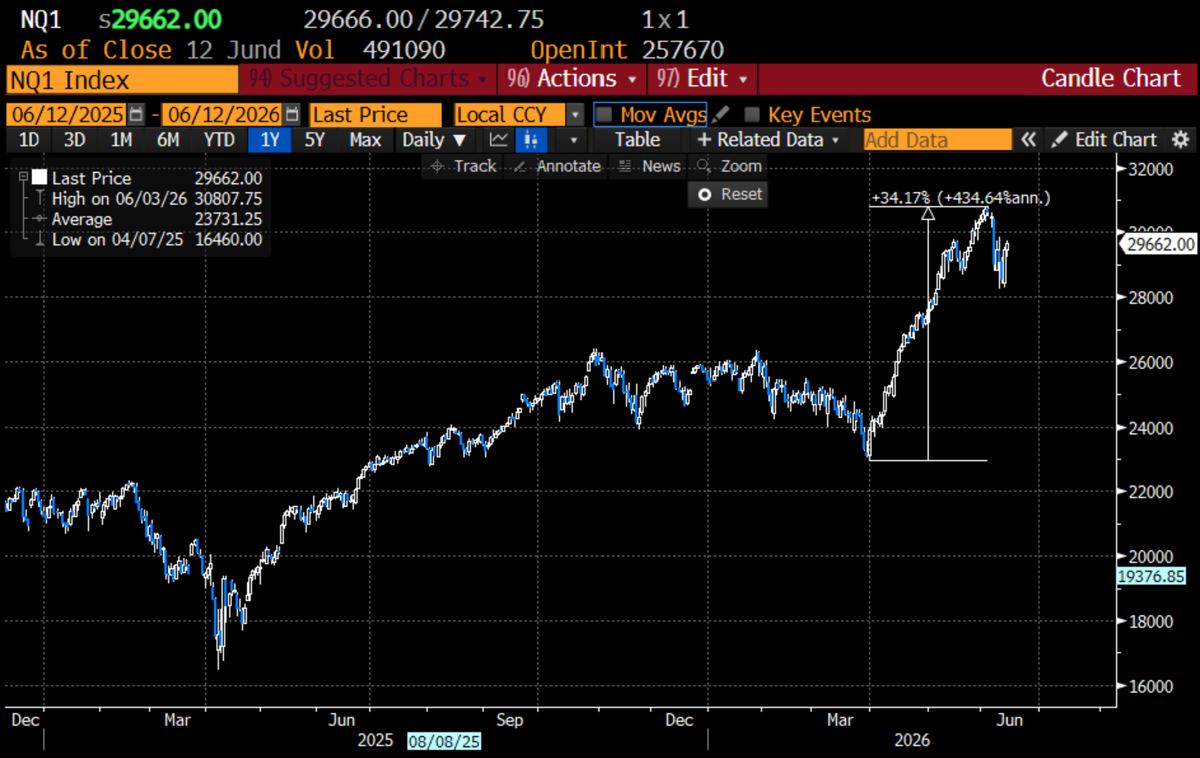
Nasdaq has doubled since the Liberation Day April 2025 bottom, +34% from the Middle East conflict bottom. Where will it be one or two years from now? The compounding has been astronomical, and the question of whether the AI valuation reset has further to run or whether the bid simply continues to absorb the supply. Source: Bloomberg.
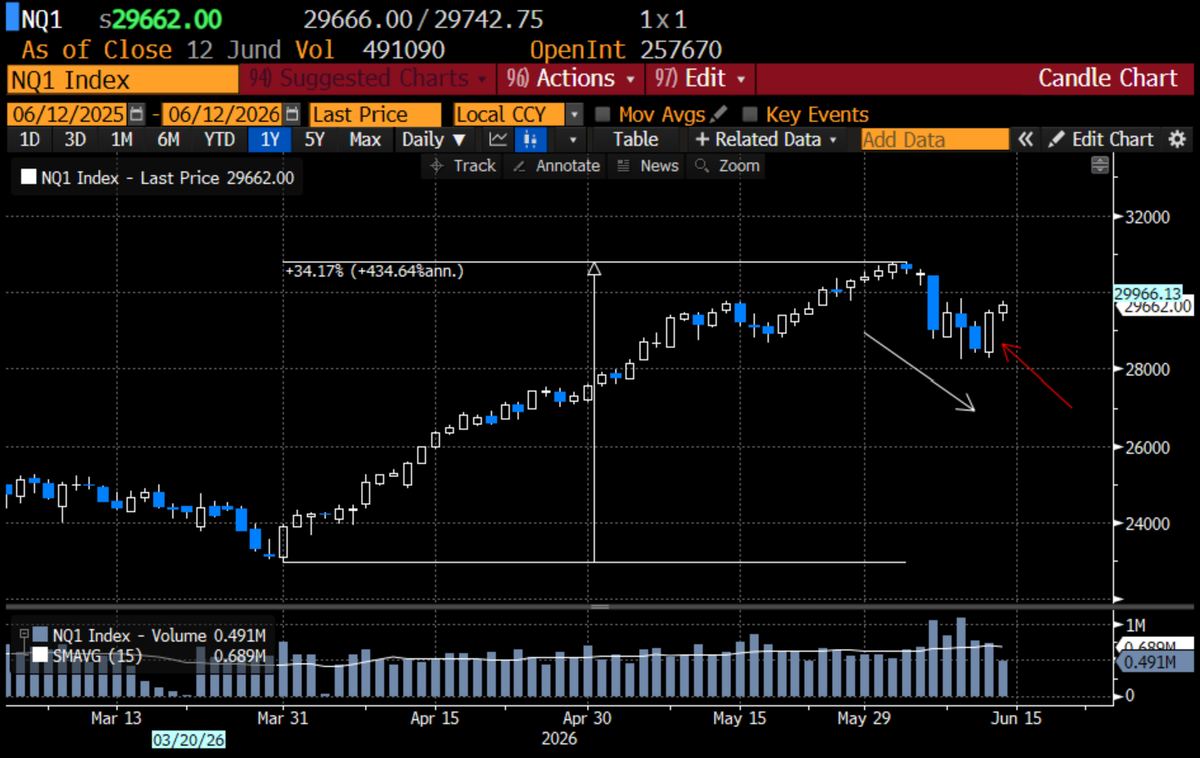
Nasdaq zoomed: slow low-vol climb through May, higher-volume trading and liquidation last 1-2 weeks. The SpaceX IPO expectation funded by selling other tech (white arrow). Bullish engulfing candle Friday (red arrow), strong close into the absorption. The IPO supply met with demand without breaking the tape. Source: Bloomberg.
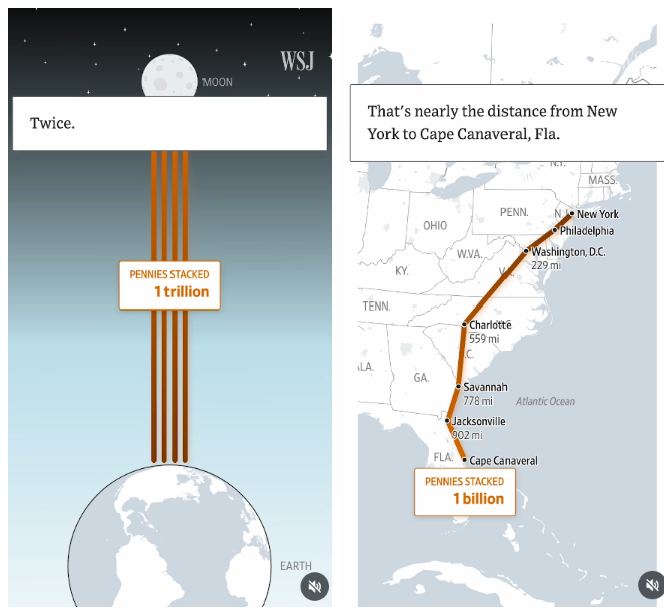
Elon Musk becomes the first trillionaire after SpaceX (SPCX). $1 trillion is so large it defies imagination. The stack-pennies framing: a trillion pennies stacked is taller than the distance to the moon. 4,400 millionaires minted among current and former SpaceX employees. Source: Bloomberg / Instagram.
Manic Monday
Asia opens light into the G7 cluster. India trade data lands in the Singapore morning. Eurozone IP and the EU trade balance through the London afternoon. ECB Lagarde delivers her conference keynote in Frankfurt early evening Singapore time. US Industrial Production and Empire Manufacturing come through the late Singapore night, the read on whether the May 19.6 four-year high in Empire was a one-month spike. The positioning into BOJ Tuesday morning Asia is what most of the day actually trades.
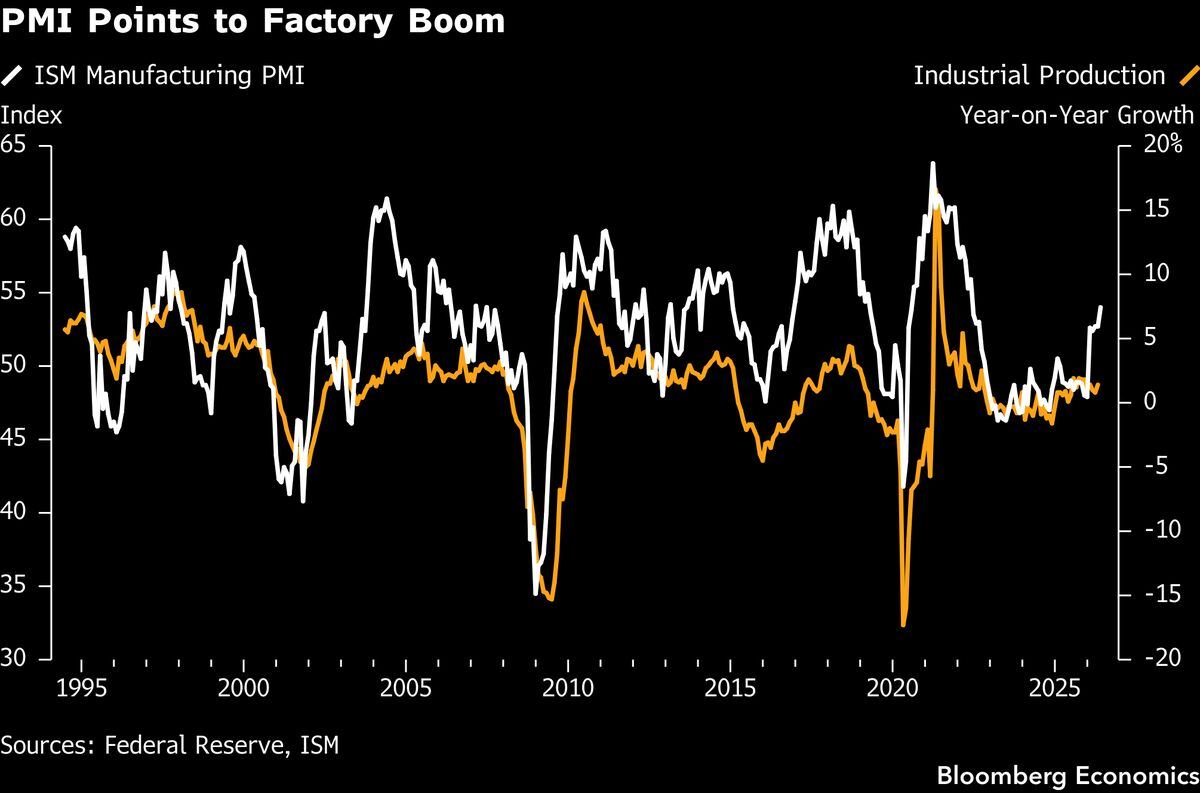
US industrial production likely +0.3% in May, supported by similar pace in manufacturing output. Aggregate manufacturing hours +0.1% in May, pointing to increased factory activity. Utilities likely helped boost the IP gauge with power production 3% above seasonal norm. PMIs point to a factory boom. Source: Bloomberg Economics.
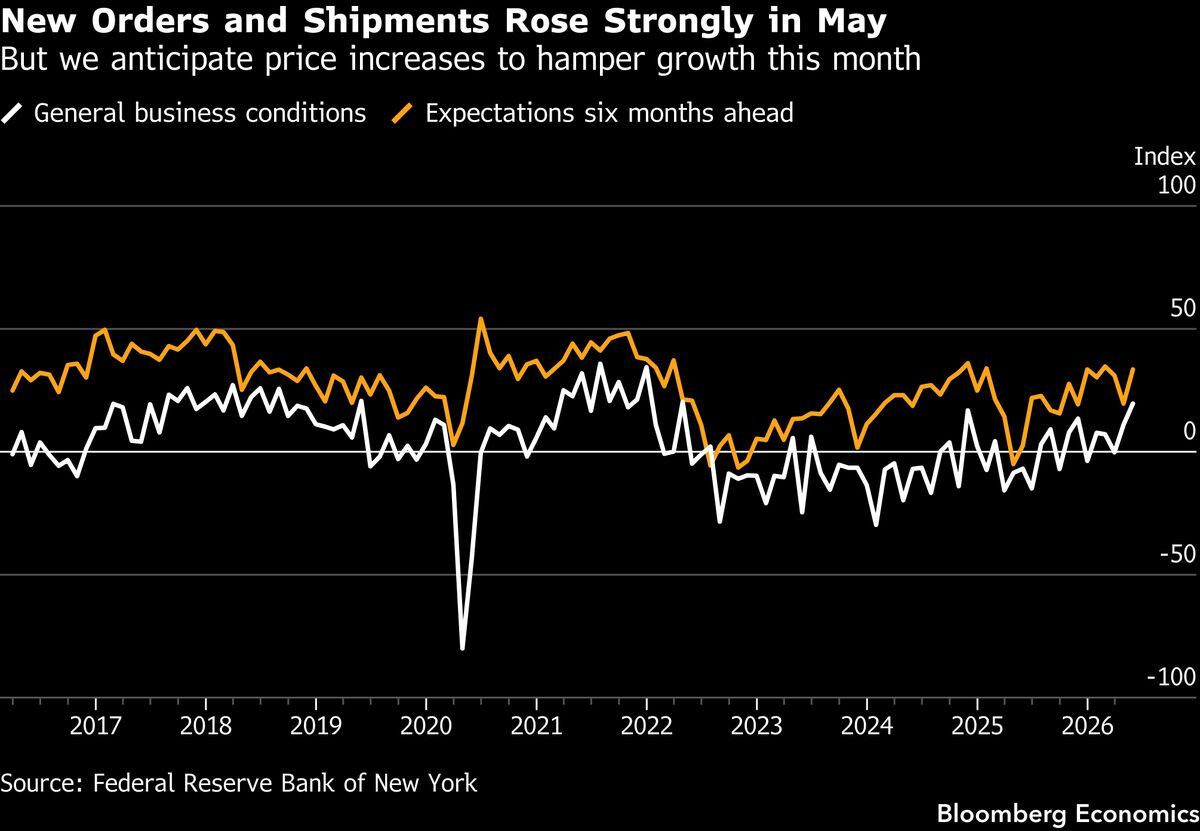
Empire Manufacturing likely softened to 15 in June from May's 19.6 four-year high. Despite the pullback, more than 50% of firms expect conditions to improve over the next six months. Supply-chain bottlenecks worsened somewhat in May and upward price pressures became more pervasive, which will likely hinder growth in June. The factory data the bright spot in a softening macro tape. Source: Bloomberg Economics.
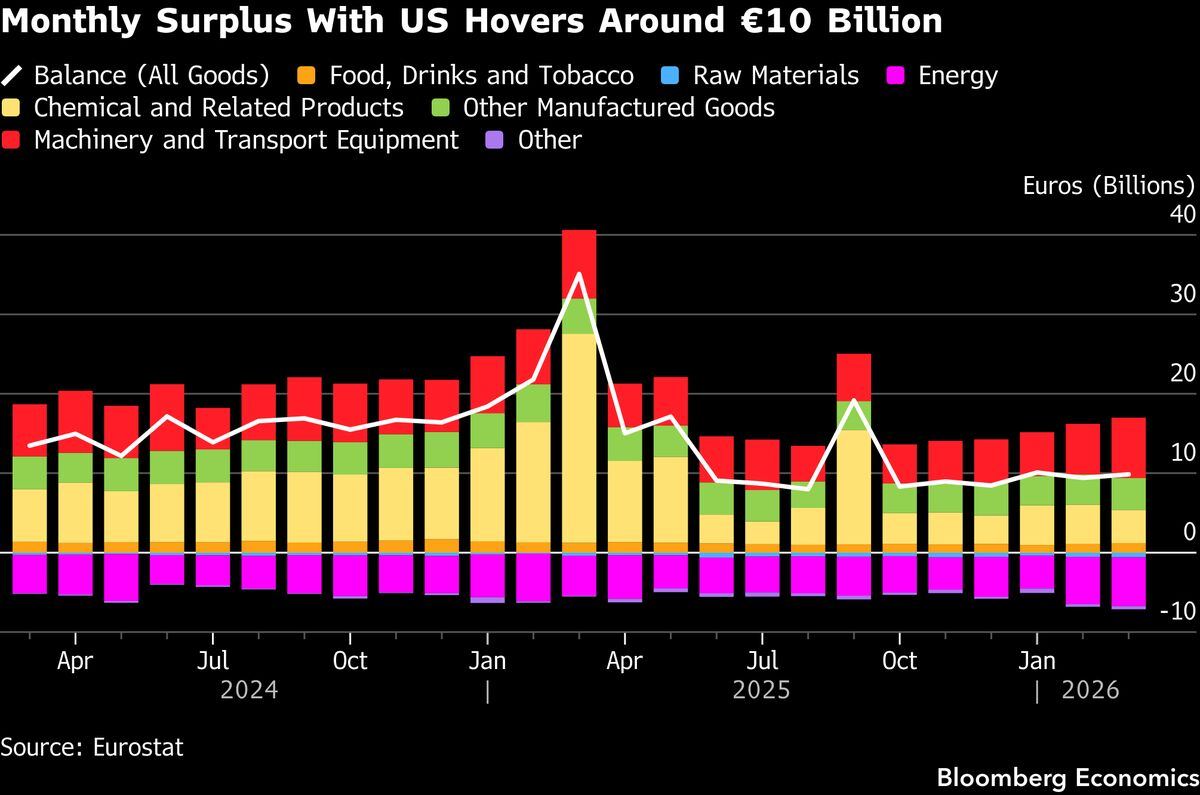
Eurozone trade data Monday — exports to US remain muted compared to pre-tariff levels. China continues to increase market share in Europe. Trade surplus with the US stood at €9.9B in March vs monthly average €14.8B in 2024 before Trump's return. Trade deficit with China widened to €25.9B in March from €25.8B. Cheaper yuan making Chinese products more attractive rather than active flooding of re-routed goods. Source: Bloomberg Economics.
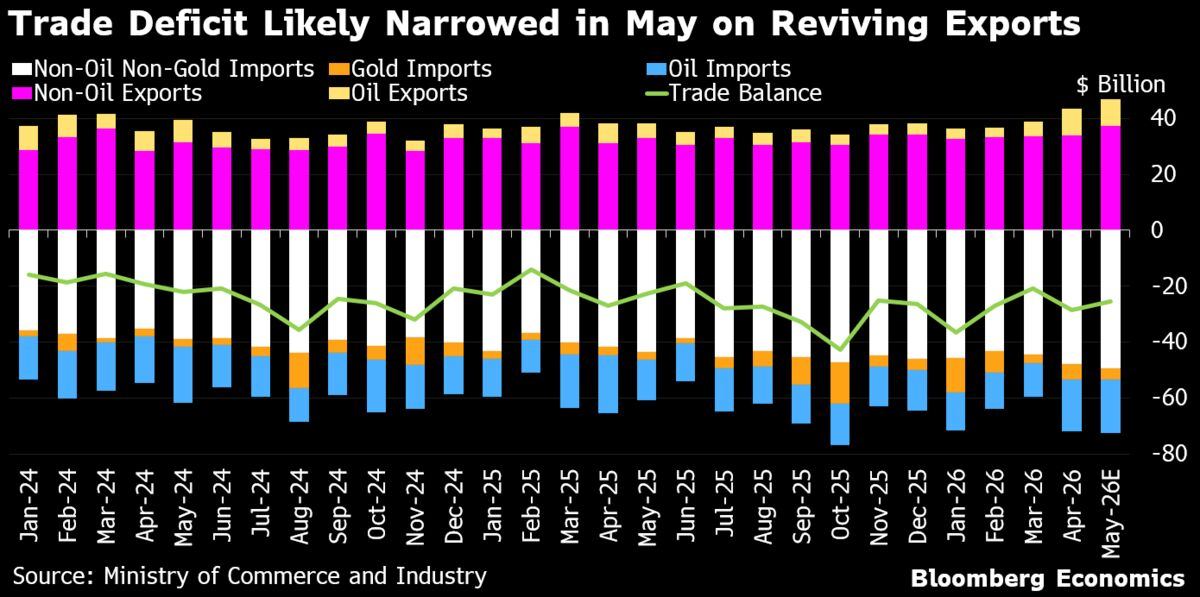
India trade deficit likely narrowed to $25.5B in May from $28.4B in April. Stronger oil and non-oil exports drove the improvement. Reduced intensity in the Iran war allowed shipments to recover. Lower tariffs boosted exports to the US. Stronger refining margins supported petroleum-product exports. Iran conflict likely keeps trade deficit elevated near term. Trade Deficit Likely Narrowed in May. Source: Bloomberg Economics.
Turnaround Tuesday
The China data dump opens Singapore morning — retail sales, IP, fixed-asset investment, property prices. BOJ delivers the first 1% rate since 1995 at lunchtime Singapore, Uchida chairs as Ueda is hospitalised. RBA expected hold at 4.35% early afternoon Singapore. Germany ZEW through the London session. US import prices and housing starts in the late Singapore night. The day with the most cross-cuts on the calendar.
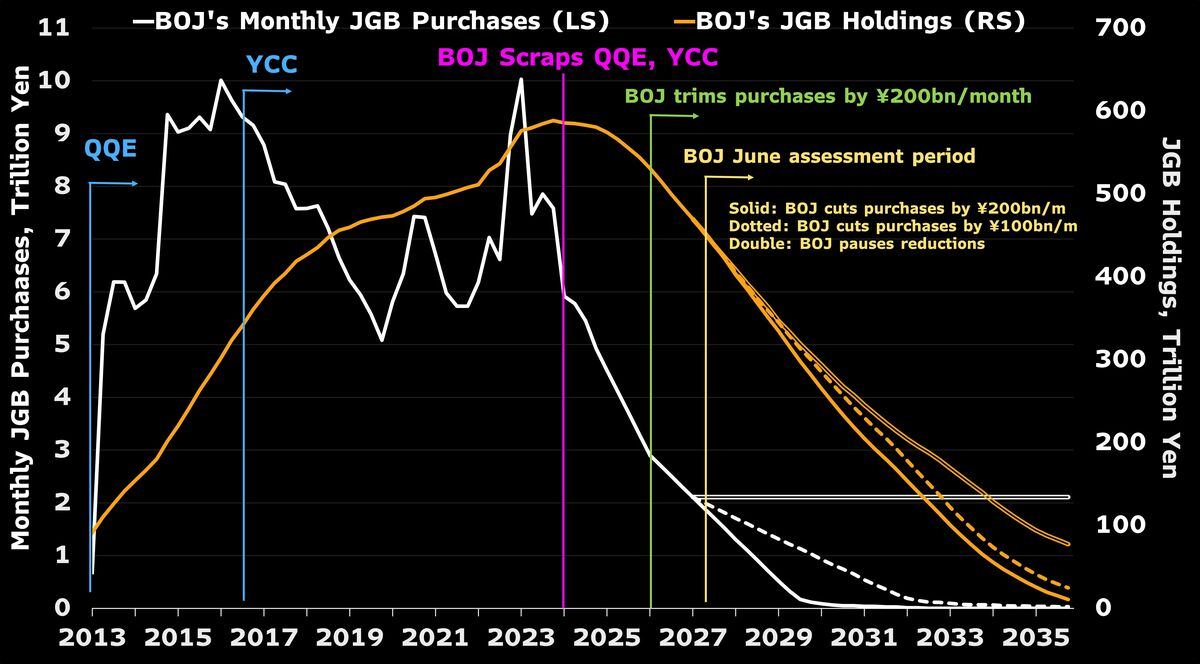
BOJ to raise policy rate to 1.00% from 0.75% at June 15-16 meeting. Higher oil prices set to fan inflation later this year. Wage growth picking up as the labour market tightens. A hawkish tilt by major central banks could widen yield gaps, weaken the yen and add to price pressure. With hike priced in, yen unlikely to strengthen and could weaken on a sell-the-fact move, raising risk of rate checks or MOF intervention. BOJ also likely to pause the reduction in JGB purchases. QT to Continue Even as BOJ Halts Bond-Buying Reduction. Source: Bloomberg Economics.
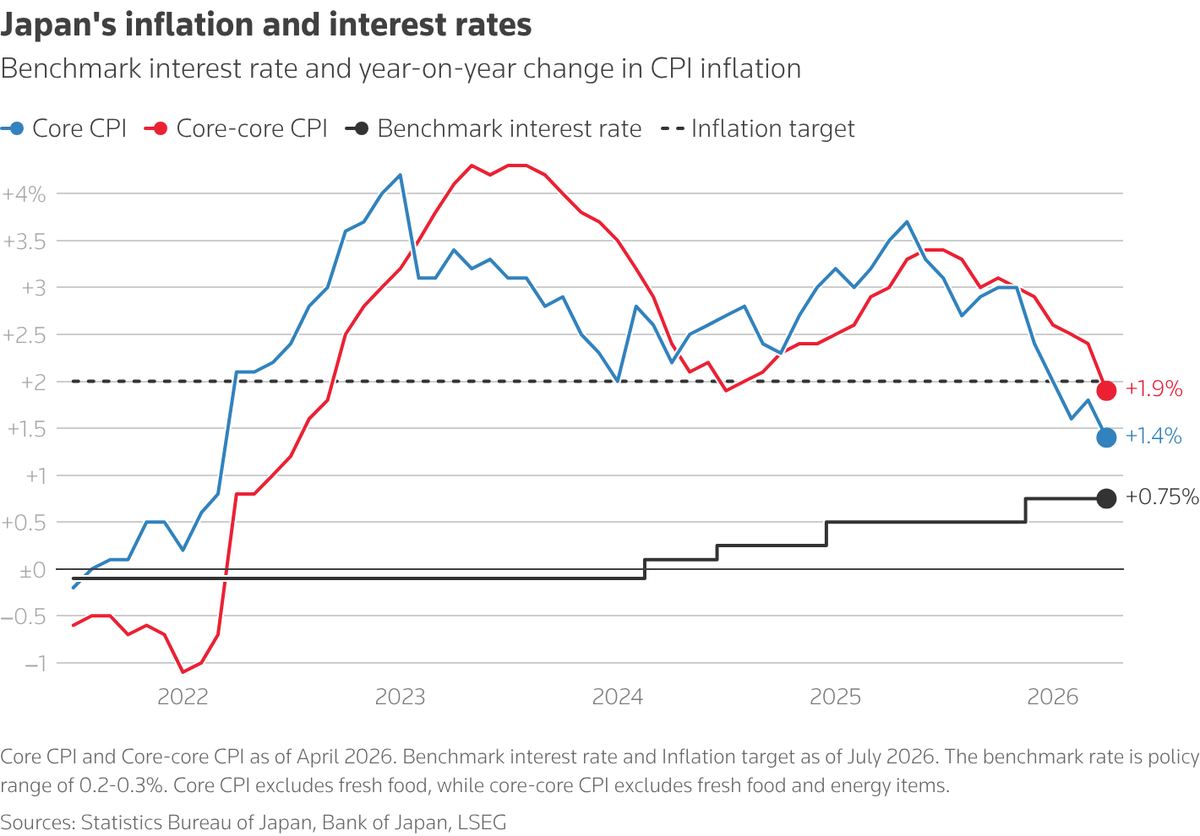
Japan's inflation and interest rates. The BOJ is expected to deliver the long-awaited +25bp Tuesday, lifting the policy rate to 1.00% for the first time since 1995. Deputy Governor Uchida chairs as Ueda is hospitalised, the first time a BOJ governor has missed a scheduled policy meeting since at least 1998. With the move well-telegraphed, the yen unlikely to materially benefit. Tokyo May CPI eased to 1.4%, the core BOJ measure 1.6% from 1.9%. The market prices another hike before year end at ~80%. Source: Reuters.
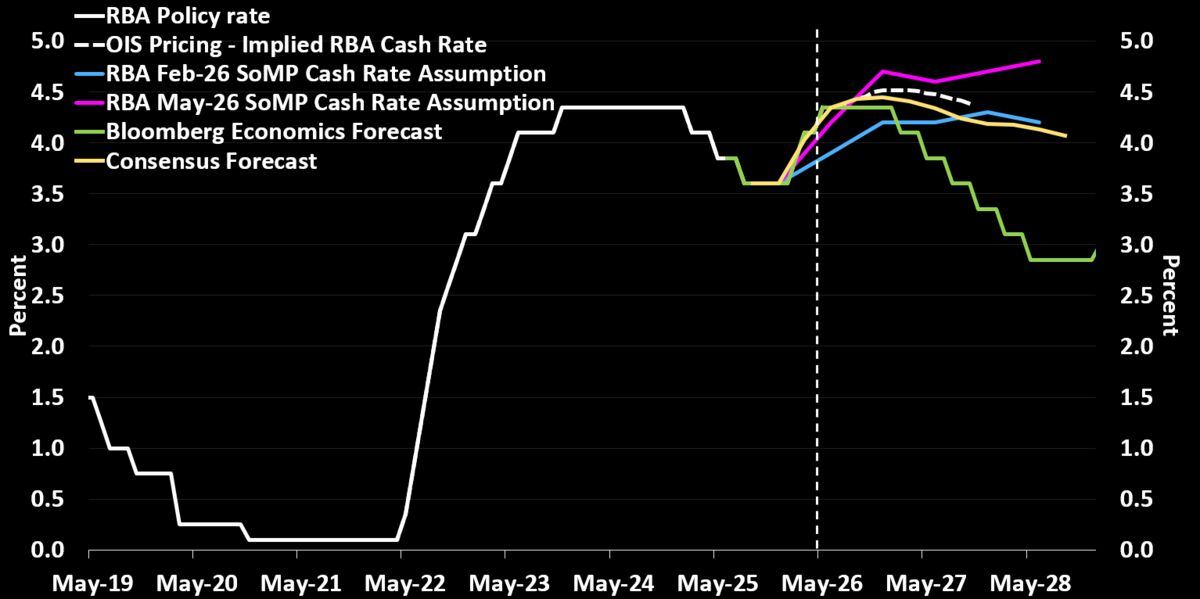
RBA expected to hold at 4.35% on June 16. After three successive 25bp hikes there are signs the economy is cooling. Inflation eased slightly, expectations moderating alongside lower fuel prices. Markets pared expectations for further RBA tightening; another hike is no longer fully priced. Base case is the next move is down, potentially as soon as Q4 2026, as higher energy prices hit real incomes. RBA Hikes to Unwind as Energy Spike Hits Growth. Source: Bloomberg Economics.
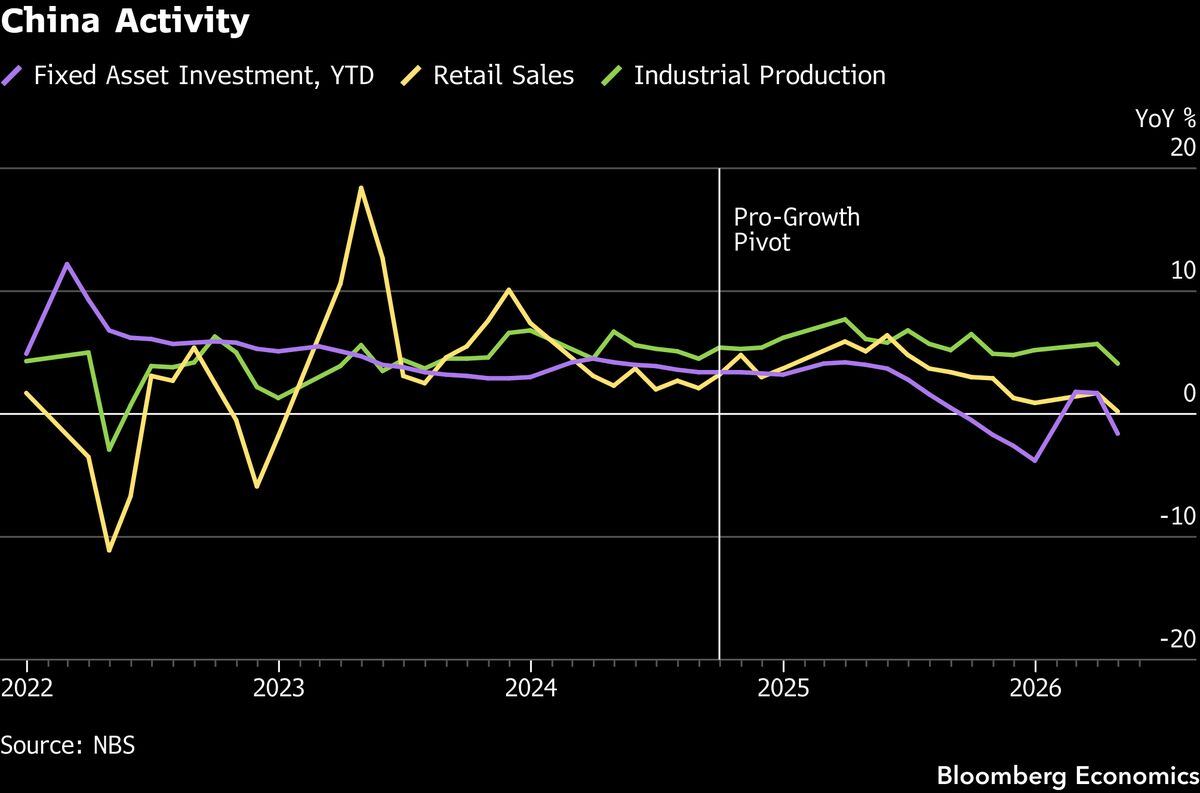
China May activity report likely shows the economy continuing to struggle. Industrial production +4.8% YoY (after sharp slowdown to 4.1% in April). Retail sales growth edged up to 0.3% from 0.2%. Fixed-asset investment decline may deepen to 2.3% YTD from 1.6% in the first four months. External strength remains the main driver of factory activity; private sector remains a drag on demand recovery. Source: Bloomberg Economics.
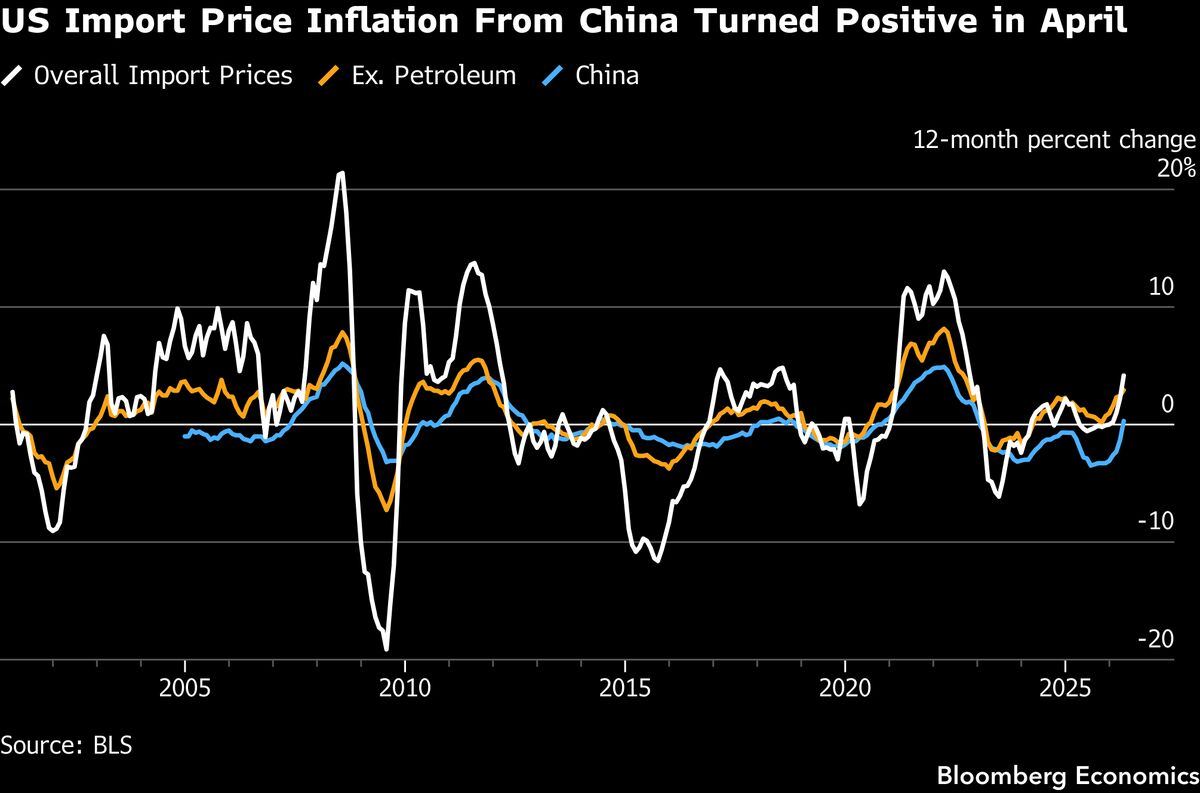
US May import prices likely rose 1.4% from 1.9%, lifting YoY to 6.1% from 4.2%. Ex-petroleum +0.5%, YoY 3.6% from 2.9%. Strong AI hardware demand kept pressure on capital-goods prices. Import prices from China should rise further after turning positive in April as China PPI inflation continues higher from upstream industries. The supply-side push that runs underneath the CPI cooler core read. Source: Bloomberg Economics.
Watershed Wednesday
UK CPI mid-afternoon Singapore time. Eurozone CPI final and the ECB Wage Tracker through the late afternoon. Brazil central bank and Sweden Riksbank land through the Singapore evening. US retail sales 8:30pm Singapore the consumer read into the FOMC. The Fed decision and Warsh's first press conference plus the new SEP land in the small hours of Thursday morning Singapore, the median dot expected to move to no cuts this year. Russia-ASEAN summit in Kazan opens. Lujiazui Forum in Shanghai. VivaTech in Paris. IEA monthly oil report.
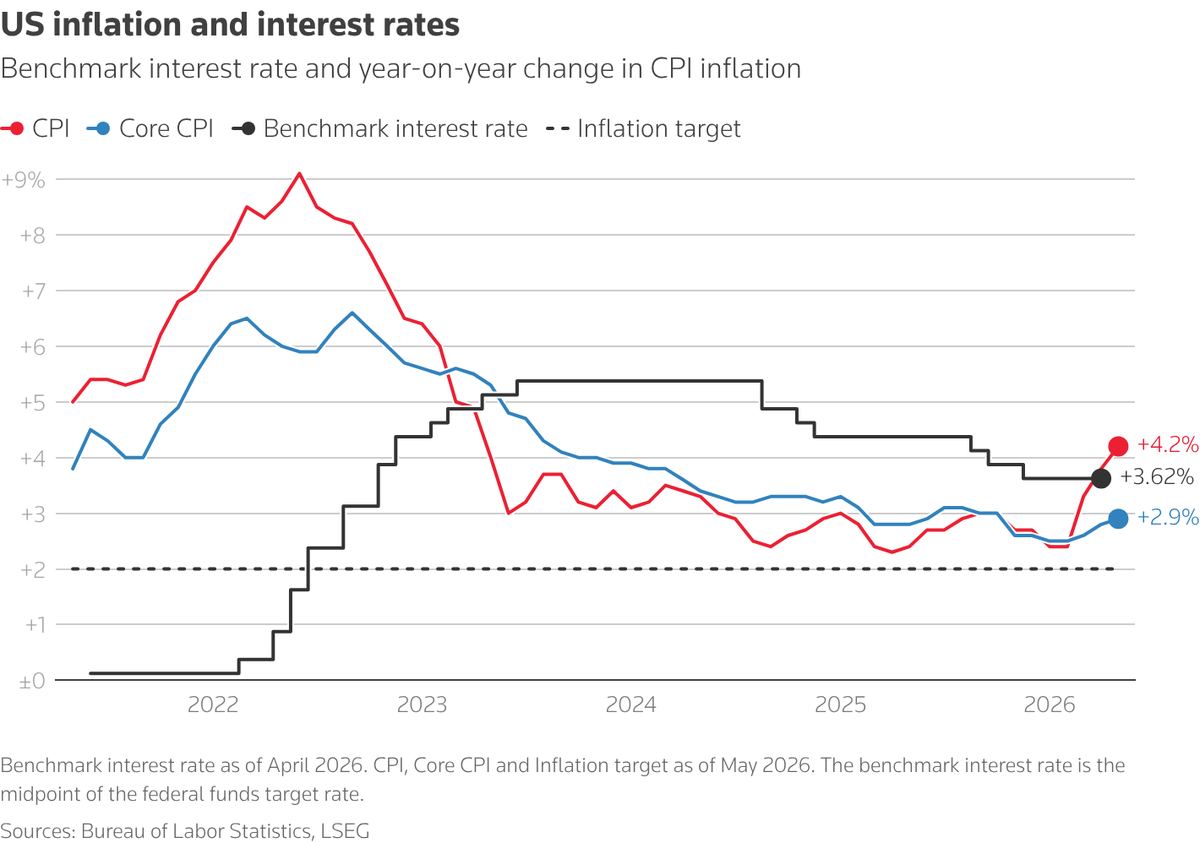
US inflation and interest rates. May CPI printed 4.2% year-on-year, the first 4% handle in three years and the fastest pace since the Iran war started, but core CPI cooled to 2.8% and the breadth of price increases narrowed. The PPI was hotter at 6.5% headline, core 4.9% (cooler than expected). The cooler core gives Warsh some breathing room ahead of his first FOMC. BE median dot expected to move to no cuts this year, from one in March. The committee is divided going in. Source: Reuters.
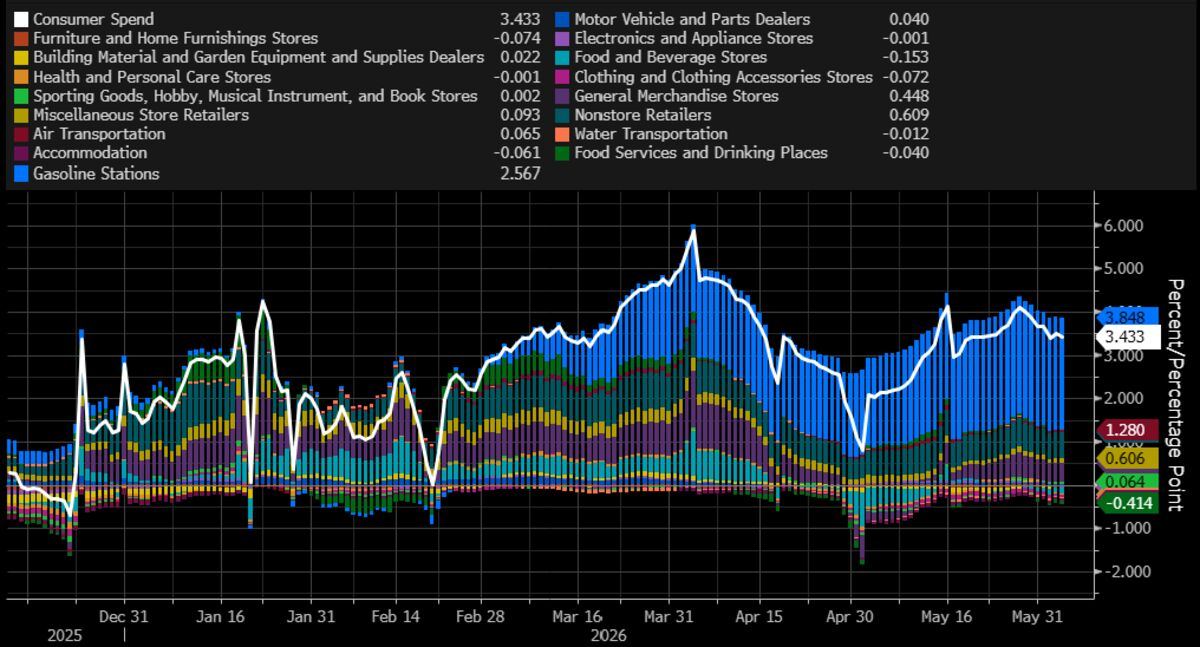
US retail sales Wednesday likely matched April's +0.5% gain. Higher gasoline prices (+7.0% in May vs 5.4% prior) provided the boost, absorbing a larger share of consumer budgets. Auto sales +1.0% in May, modest contribution to overall retail-sales growth. Grocery-price inflation moderated in May with prices of many goods declining, helping offset some of the pressure from higher fuel costs. Fuel Costs Absorbing More Consumer Dollars. Source: Bloomberg Economics.
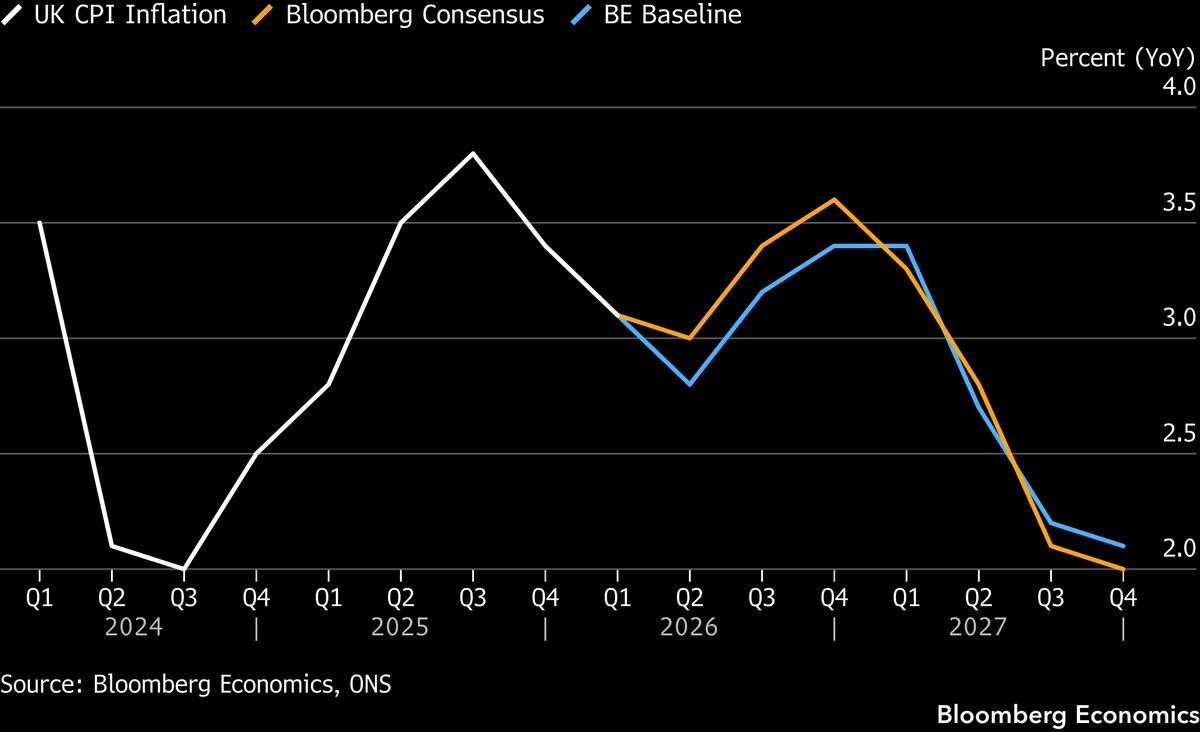
UK May CPI likely accelerated to 3.0% YoY from 2.8%. Services inflation the driver, pick-up from airfares and the base effect from the vehicle excise duty correction. Annual services inflation likely to 3.5% from 3.2%. Fuel prices steady in May, household energy bills rise only in July's data. Looking ahead, inflation peaks just shy of 3.5% around the turn of the year before falling gradually in 2027. CPI Likely to Peak Around Turn of Year. Source: Bloomberg Economics.
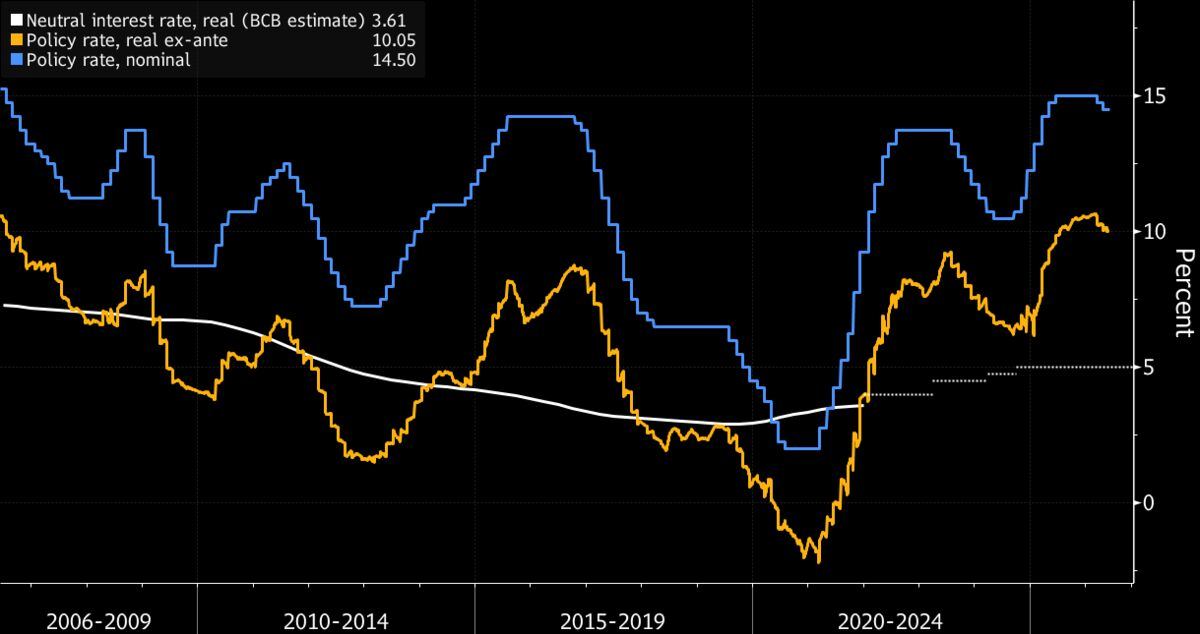
Brazil BCB expected to deliver another -25bp cut on June 17, but dial up the hawkish tone. The move would bring ex-ante real rate close to 9.8%, nearly twice the BCB's estimate of neutral. The external backdrop less supportive than April. Activity has picked up, fiscal stimulus blunting the bite, firmer underlying inflation. Currency slide since mid-May fans price risks. BCB likely lifts Q4 2027 inflation projection above the 3% target. Brazil Policy Rate. Source: Bloomberg Economics.
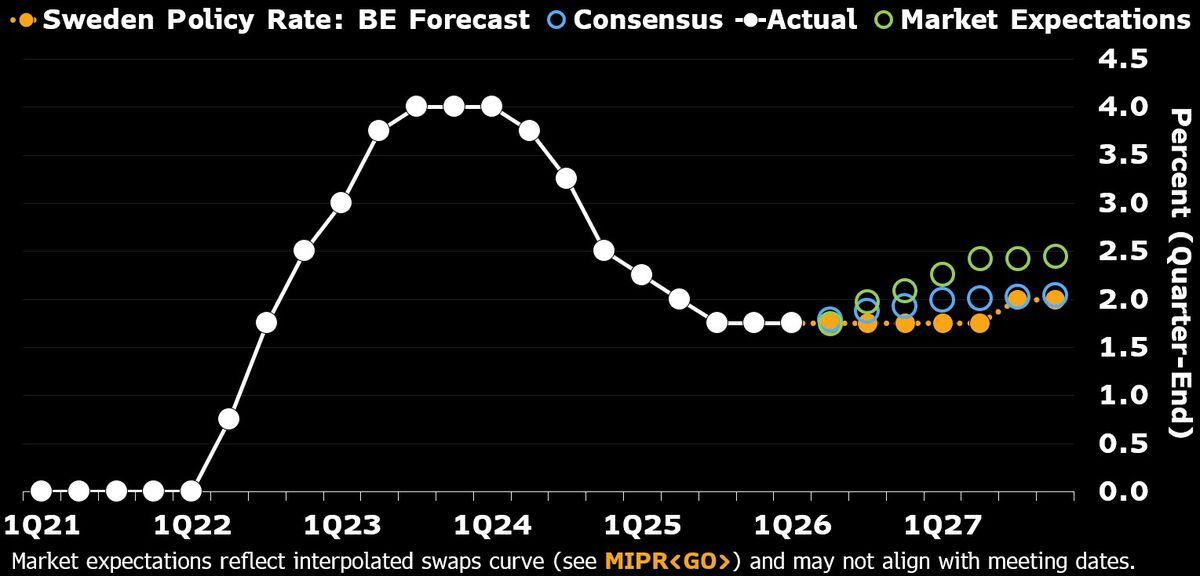
Sweden Riksbank likely holds policy rate at 1.75% on June 17. In line with policymakers' rate path published in March, though May guidance tilted more hawkish. The subdued inflation outlook (CPIF averaging 1.3% this year) gives room to look through short-term swings in energy costs. The risk of further escalation in the Middle East tilts near-term risks to the upside and could bring forward the rate hike currently expected in Q3 2027. Source: Bloomberg Economics.
TP Thursday
Asia opens Thursday with the FOMC tape just behind. NZ Q1 GDP early Singapore morning. Indonesia, Philippines and Taiwan rate decisions through Singapore afternoon. SNB Schlegel, Norges Bank and the BOE Bailey press conference roll through the London session evening Singapore time. The Makerfield UK by-election the same morning, Burnham potentially returning to Westminster as a Labour leadership challenger. European Council in Brussels on Iran fallout. The day to take profit on the Wednesday positioning ahead of the holiday-shortened Friday.
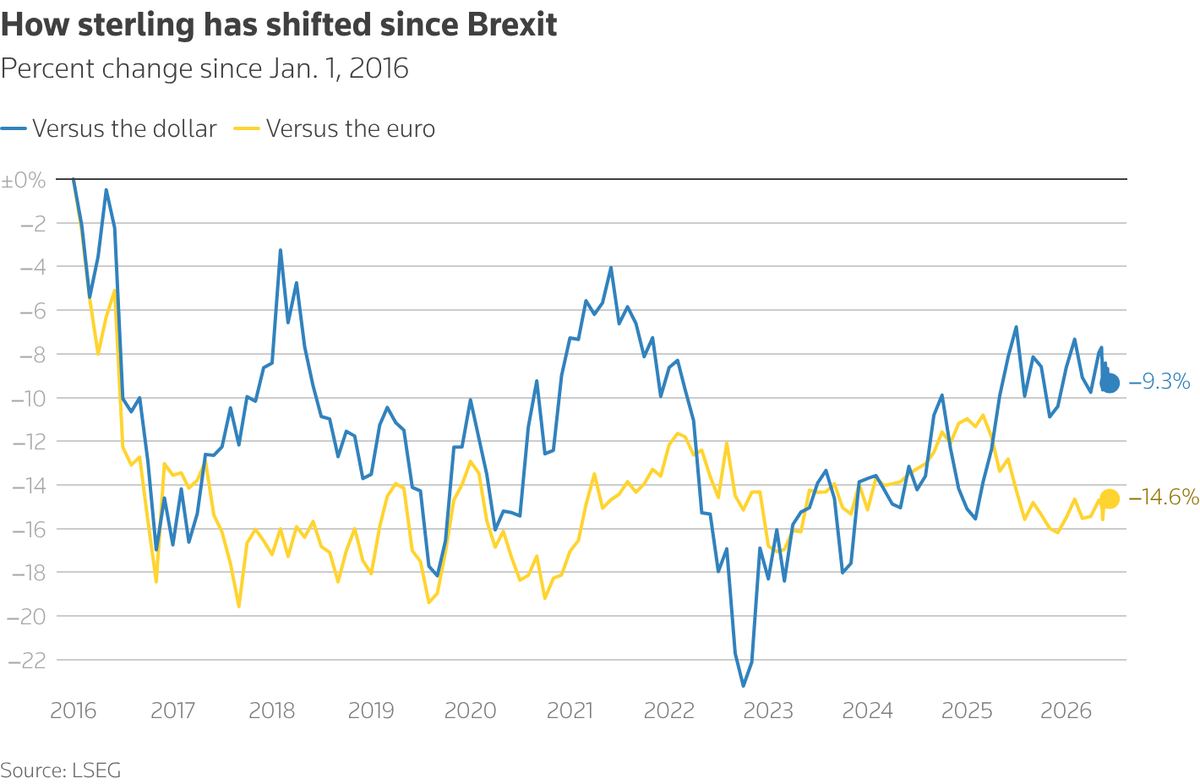
How sterling has shifted since Brexit. BoE Thursday widely expected to hold at 3.75% ahead of inflation pressures, with Bailey's press conference the focus. Labour Party turmoil ahead of the June 18 Makerfield by-election, where Manchester Mayor Burnham could return to Westminster as a precursor to challenging PM Starmer for the Labour leadership. UK already has little financial wiggle room. The June 16 10-year gilt auction may gauge investor appetite for UK bonds against a fraught political backdrop. Source: Reuters.
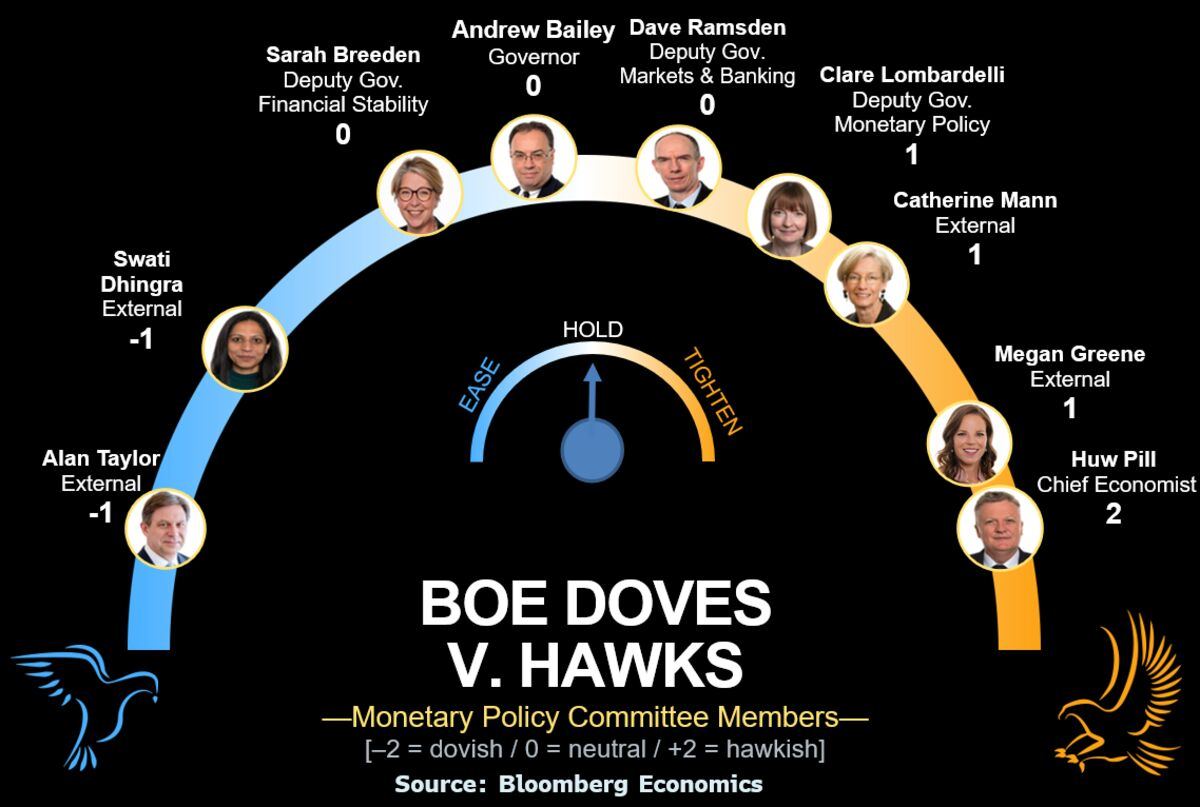
BOE likely holds at 3.75% on June 18. Data more dovish than expected gives the BOE cover to stick to wait-and-see. BE expects a 7-2 vote split with Greene and Pill favouring +25bp. Risks tilted toward more hawkish vote split. BOE likely to reiterate it stands ready to act. BE sees a +25bp hike in July as inflation heads higher in H2. Bloomberg Economics BOE Spectrometer chart. Source: Bloomberg Economics.
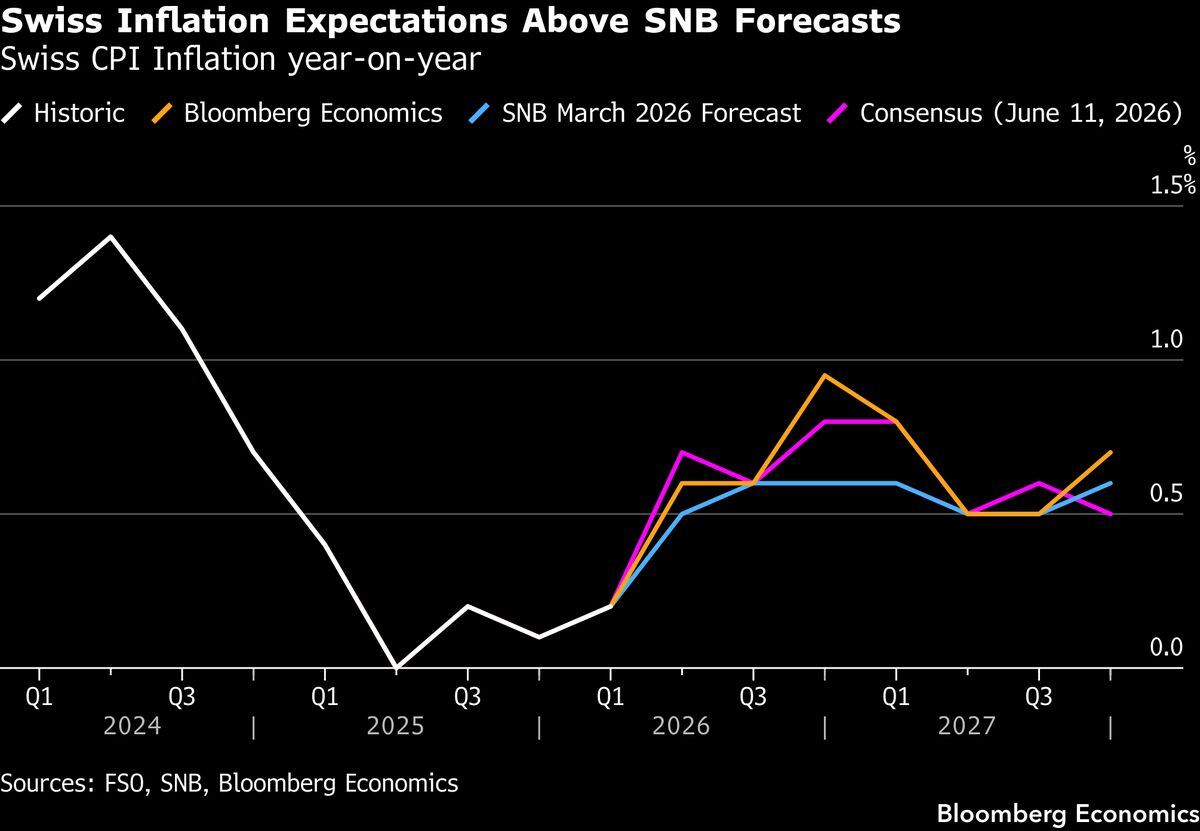
SNB Thursday — likely hold at 0%. Receding deflation risks and resilient growth give policymakers room. The focus is the communication. Schlegel expected to acknowledge improving price dynamics and signal greater confidence that inflation is moving back toward the target range. SNB should reiterate readiness to intervene in FX markets if needed. The overall message likely more hawkish, reflecting gradual shift toward normalisation. First rate hike in December (markets price ~50%). Source: Bloomberg Economics.
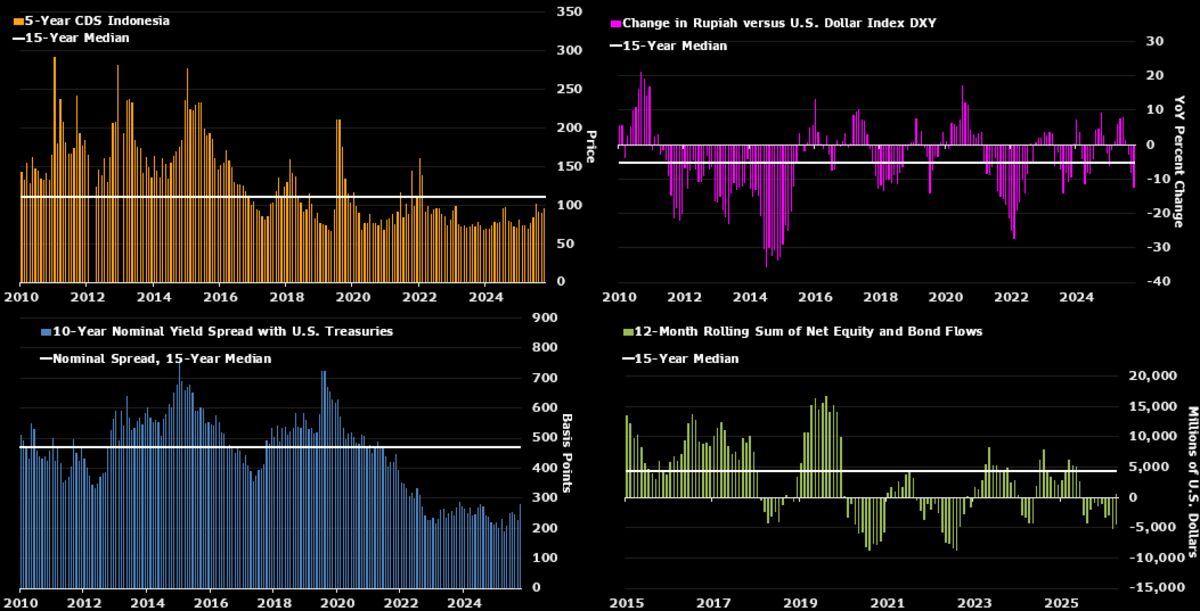
Bank Indonesia likely lifts +50bp to 6.00% on June 18. The rupiah tumbled this quarter and is underperforming EM peers despite the surprise 50bp on May 20 and the surprise intermeeting 25bp on June 9. FX stability indicators suggest more tightening is needed to restore market confidence after policy measures have significantly increased investment risk. CPI within the 1.5-3.5% target — though the oil shock pushes the gauge above the band in coming months. FX Stability Indicators Suggest More Hikes Are Needed. Source: Bloomberg Economics.
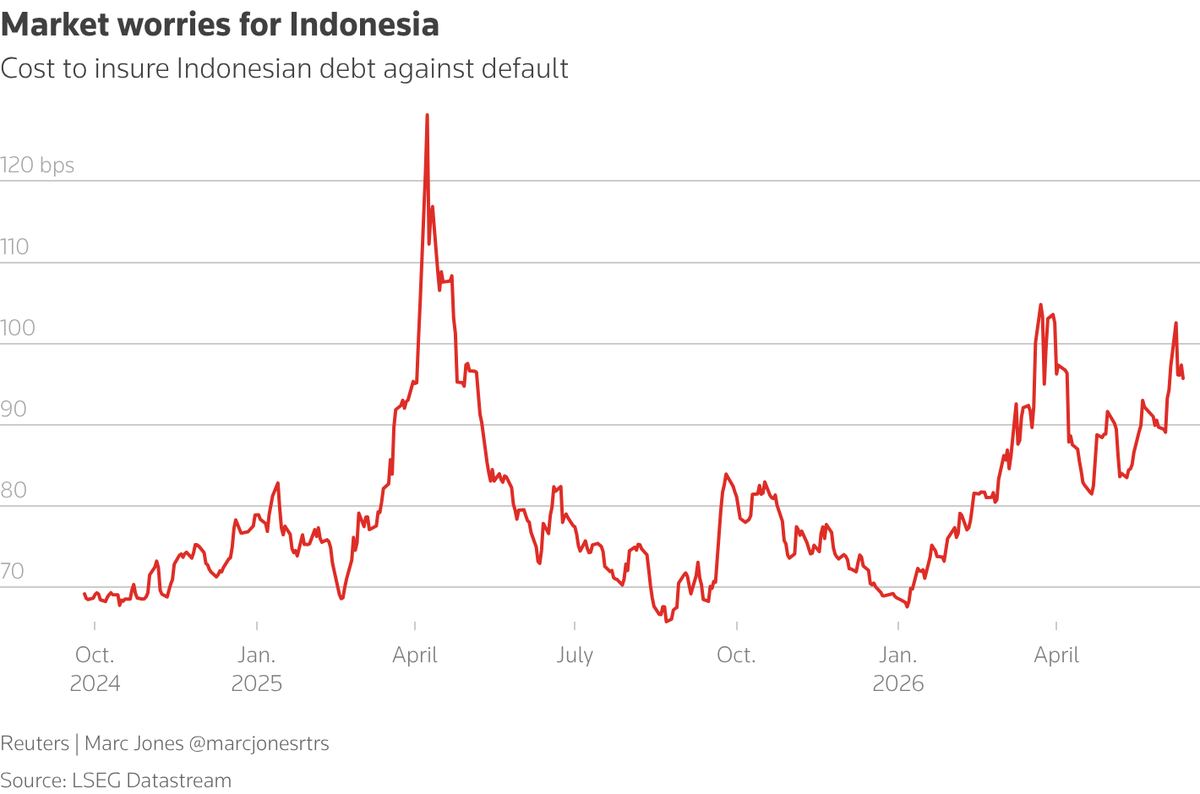
Investors paying more for insurance against a debt crisis. Indonesia's central bank back in the spotlight Thursday, the rupiah at record lows. Policymakers surprised this past week with a 25bp intra-meeting hike, alongside heavy FX intervention. Toxic mix of policy uncertainty, governance worries, fiscal slippage under President Prabowo, on top of the unforgiving global backdrop. Another hike looks more like a question of how much, not if. Brazil central bank Wednesday: the market is split on whether the BCB cuts again or pauses as inflation heats up. Source: Reuters.
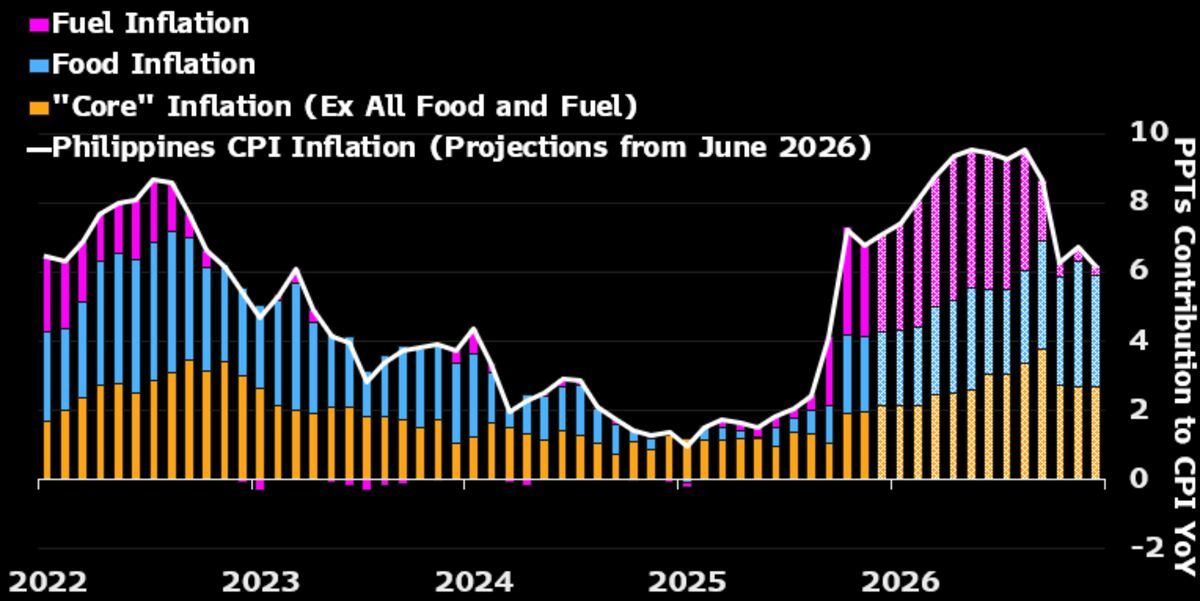
BSP Philippines likely hikes +50bp to 5.00% on June 18. Sharp jump in energy prices and the peso slide suggest headline inflation has yet to peak despite moderation to 6.8% in May from 7.2% in April. With inflation well above the 2-4% target range and Middle East energy supplies still disrupted, BSP has more work to do to anchor expectations. Core inflation steadily climbing, reaching 4.1% in May after 2.9% in February. BSP to continue hiking until signs of inflation peak emerge. Source: Bloomberg Economics.
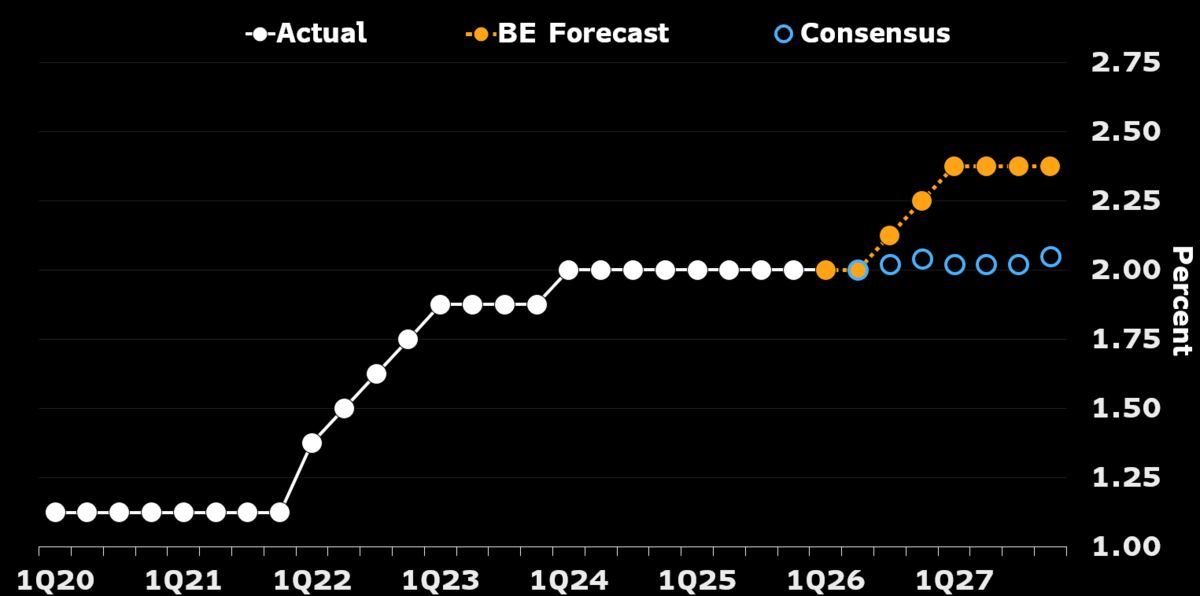
Taiwan CBC to hold at 2.0% on June 18. Inflation accelerating as higher oil feeds through but remains close to the 2% monitoring threshold. With Iran-war uncertainty elevated the central bank likely waits for more data before tightening. The conditions for a rate hike are gradually falling into place. AI boom strengthening confidence in the growth outlook — Q1 GDP +14.5% YoY. Baseline for first hike in September, +12.5bp to 2.125%. Source: Bloomberg Economics.
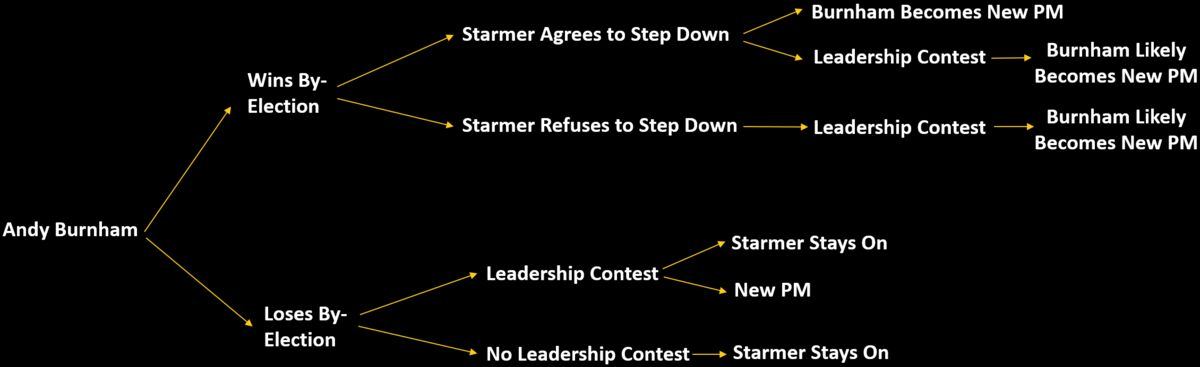
UK Makerfield by-election Thursday — Andy Burnham's return. Polls and prediction markets suggest the "King of the North" Andy Burnham's bid to return to Parliament will pay off. Assuming he wins the by-election on June 18, very likely he goes on to become the UK's next PM. Recent commitment to current fiscal rules, but the risk is he backtracks and leans on borrowing to fund his agenda. That would result in investors placing a significant risk premium on UK assets. Pathways After Makerfield By-Election. Source: Bloomberg Economics.
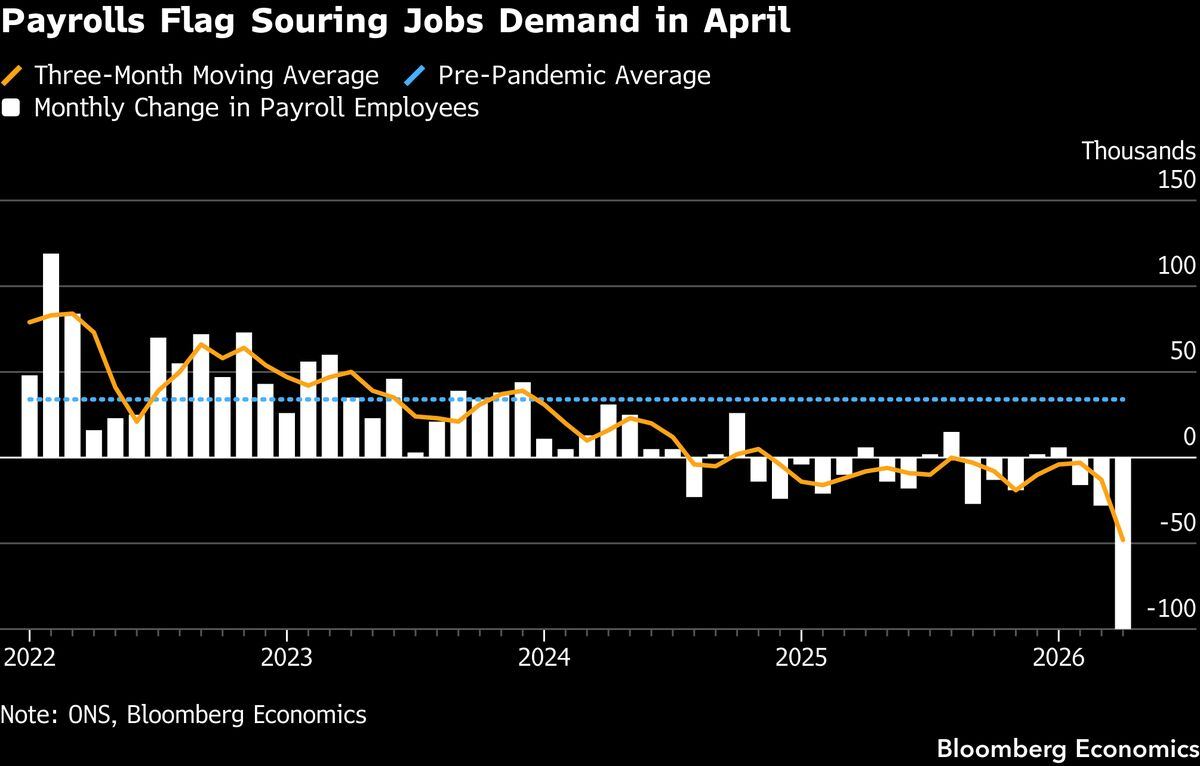
UK jobs data — annual regular pay growth in private sector likely slowed to 2.8% in the three months to April from 3% previously. BE cautions the data may understate the degree of pay pressure. The unemployment rate has been volatile but should revert to 5.2% from 5%. BE expects unemployment to peak at 5.5% in 1Q27. Pay gains unlikely to respond materially to the energy-fuelled rise in inflation. Source: Bloomberg Economics.
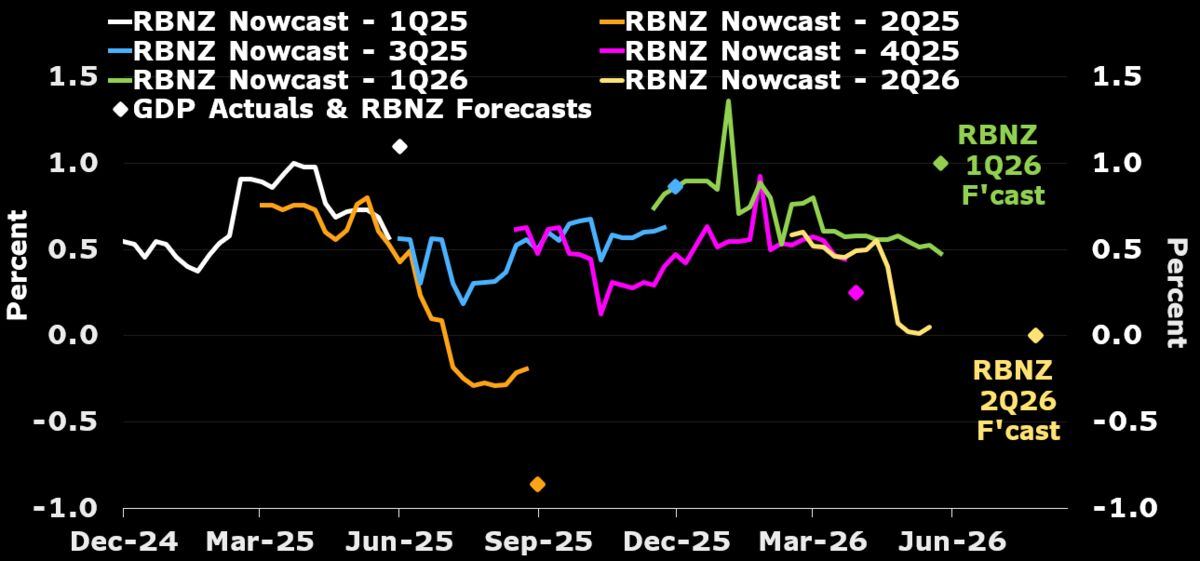
New Zealand Q1 GDP estimated +0.5% QoQ following the weak 0.2% in 4Q25. BE forecast materially weaker than the RBNZ's May projection of 1.0% but more in line with the Nowcast. Robust growth in retail spending and manufacturing output offset by weaker construction. GDP per capita has recovered some ground since Q2 2025. A renewed hit to living standards likely from Q2 2026 as Iran conflict dents growth. Source: Bloomberg Economics.
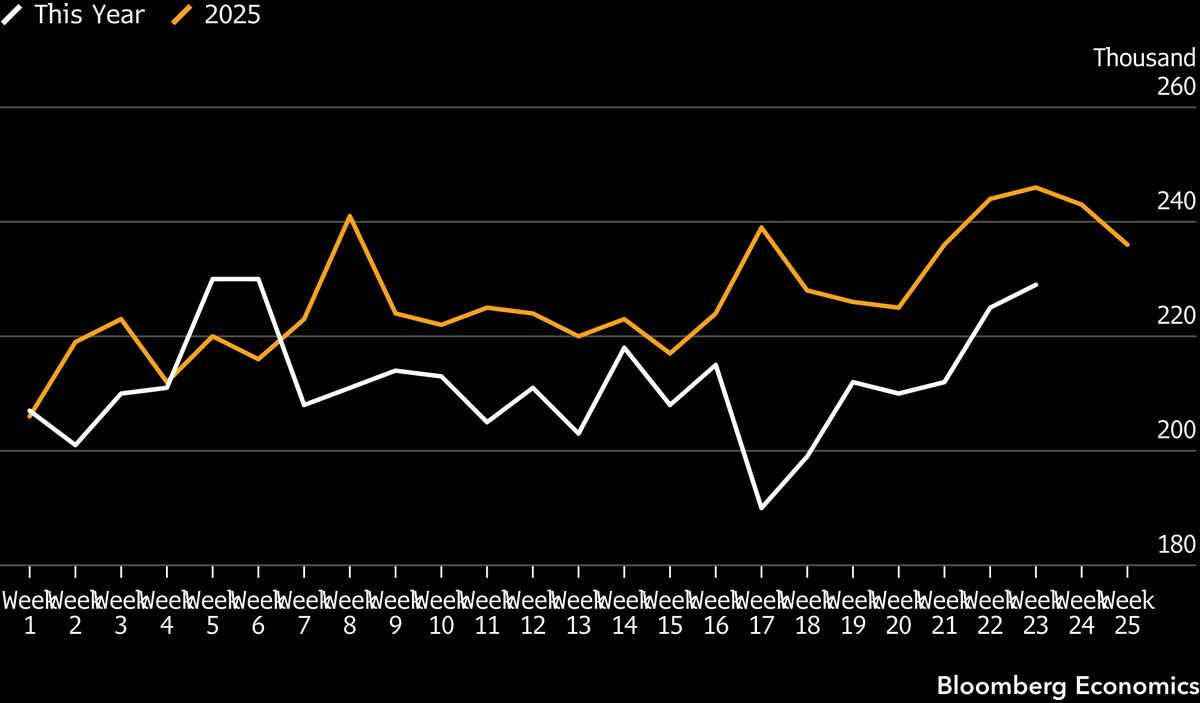
Initial jobless claims likely eased to 227k in the week ended June 13. The previous week's claims increased more than expected but remained well below year-earlier levels. Combined with May's stronger-than-expected payrolls, the data reinforce continued momentum in the labour market. Claims continue to outperform year-ago levels. Source: Bloomberg Economics.
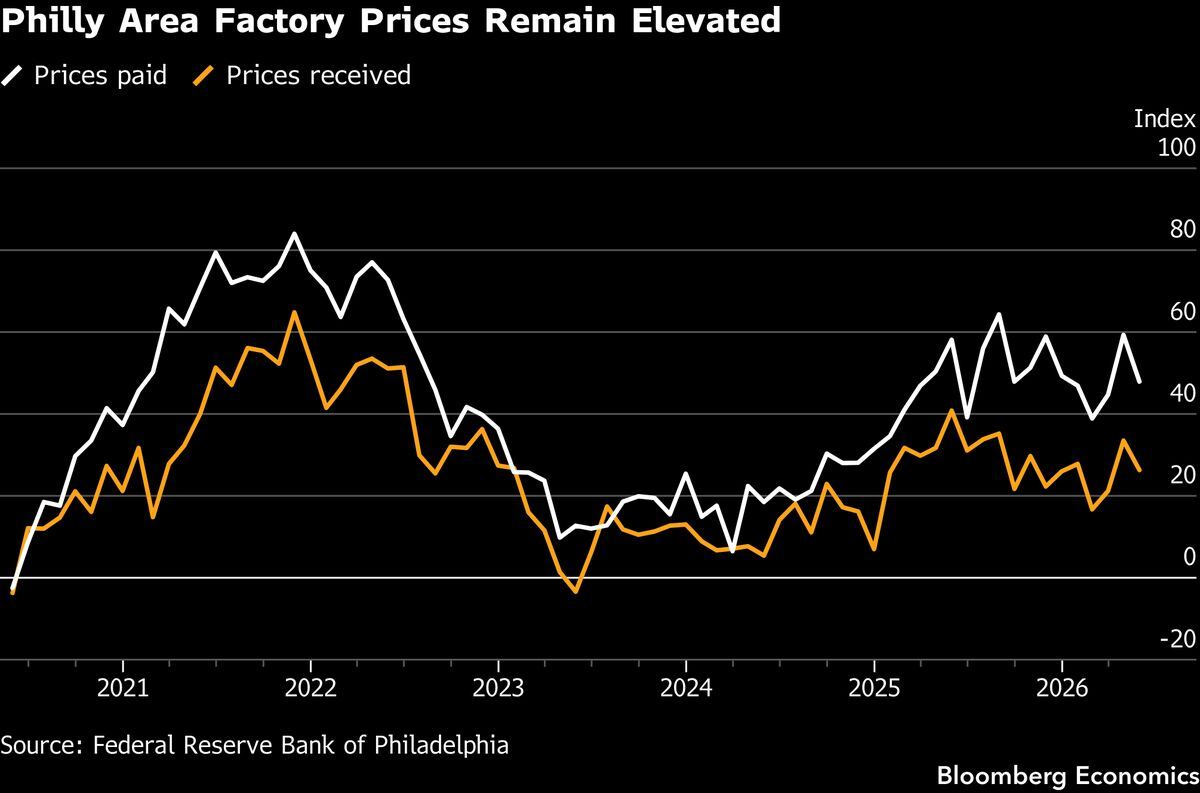
Philly Fed manufacturing likely rebounded in June after the sharp decline in May from energy-price pressure. In May the print's two-thirds of firms expected activity to increase in the next six months. Diffusion index for future general activity rose 12 points to 53.2, the highest reading since June 2021. Future-prices-paid index surged ~20 points in May to 70.0, the highest since last November. Firms expect input costs to remain elevated. Source: Bloomberg Economics.
Friday Fade
Japan May CPI and BOJ minutes early Singapore morning. The US Juneteenth holiday and the China-HK-Taiwan Dragon Boat both shut the major venues for the rest of the day. Liquidity thins to the Russia rate decision and the Malaysia/NZ inflation indicators. A quiet end into the quarter-end week.
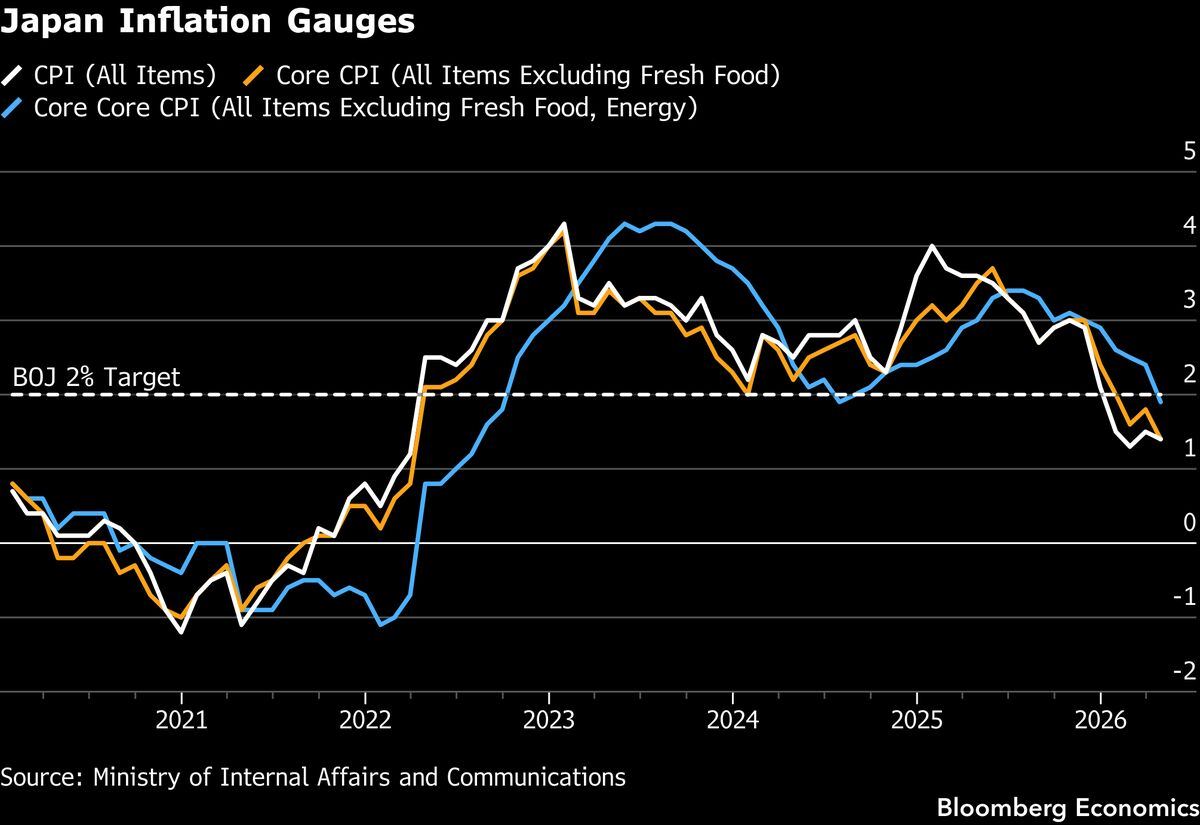
Japan May CPI Friday — likely picked up from April on higher fresh-food prices and the rollback of energy subsidies. Headline +1.6% YoY from 1.4%. Core-core (ex fresh food and energy) at 1.9% as solid wages feed through to labour costs. BOJ likely reads the data as a sign inflation is firming enough to secure the 2% target. BE expects BOJ raises rate to 1.25% in December after lifting to 1% from 0.75% at this week's meeting. Source: Bloomberg Economics.
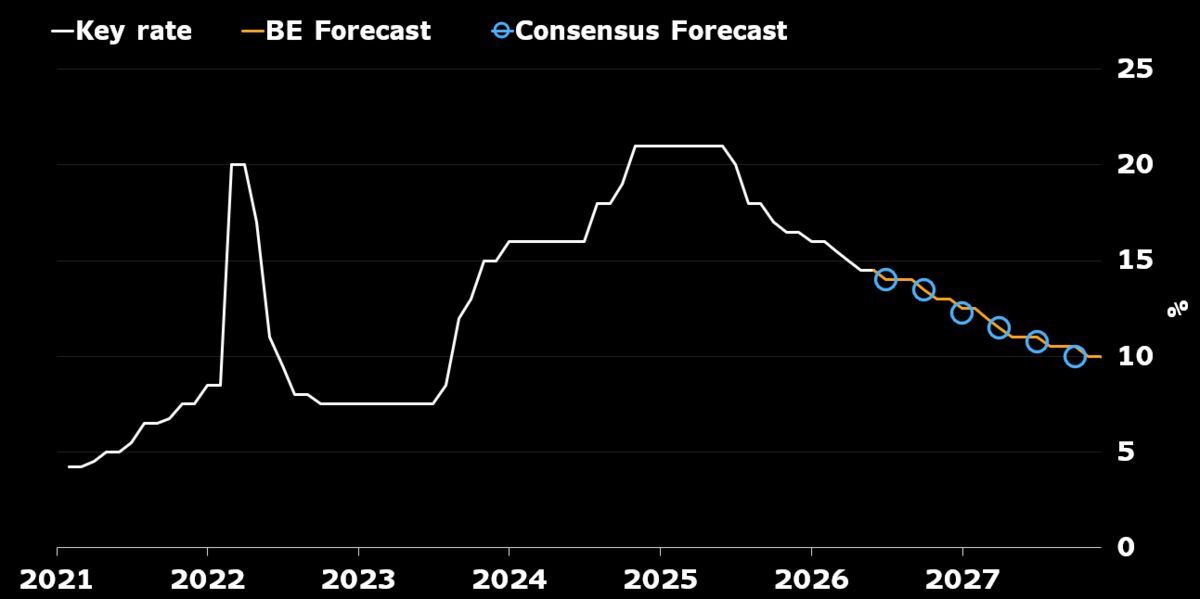
Russia central bank likely cuts -50bp to 14.00% on June 19 — the ninth consecutive cut since easing began from a record 21% in June 2025. Even so, the real policy rate remains above 8%, among the highest in EM. Fiscal policy looser than expected with a full return to the fiscal rule now delayed until 2029. BE expects the key rate at 12.5% by year-end. Softer Inflation Supports Rate Cuts But Not at a Faster Pace. Source: Bloomberg Economics.
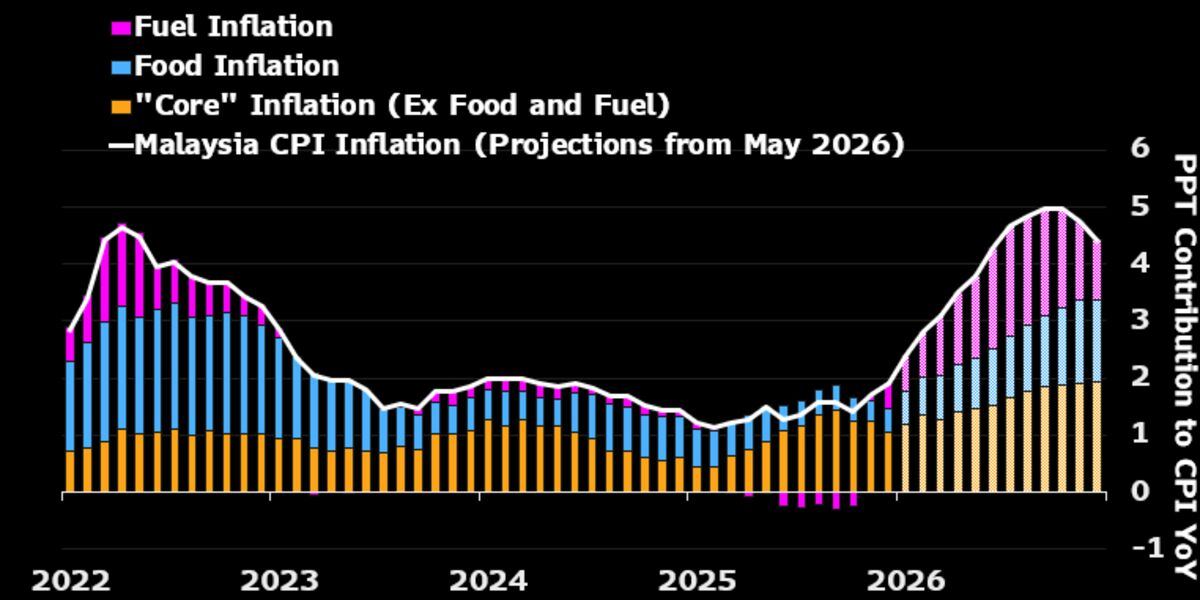
Malaysia May CPI likely +2.4% YoY from 1.9% lifted by the oil shock. As a producer and exporter of energy, higher global prices boost the government's oil-related revenue providing some scope to cushion the impact via subsidies. The economy is not immune — Malaysia imports a significant share of its oil and gas. Iran war pushing food prices higher. Inflation Outlook as Oil Shock Extends — approaching 5% before year-end. Source: Bloomberg Economics.
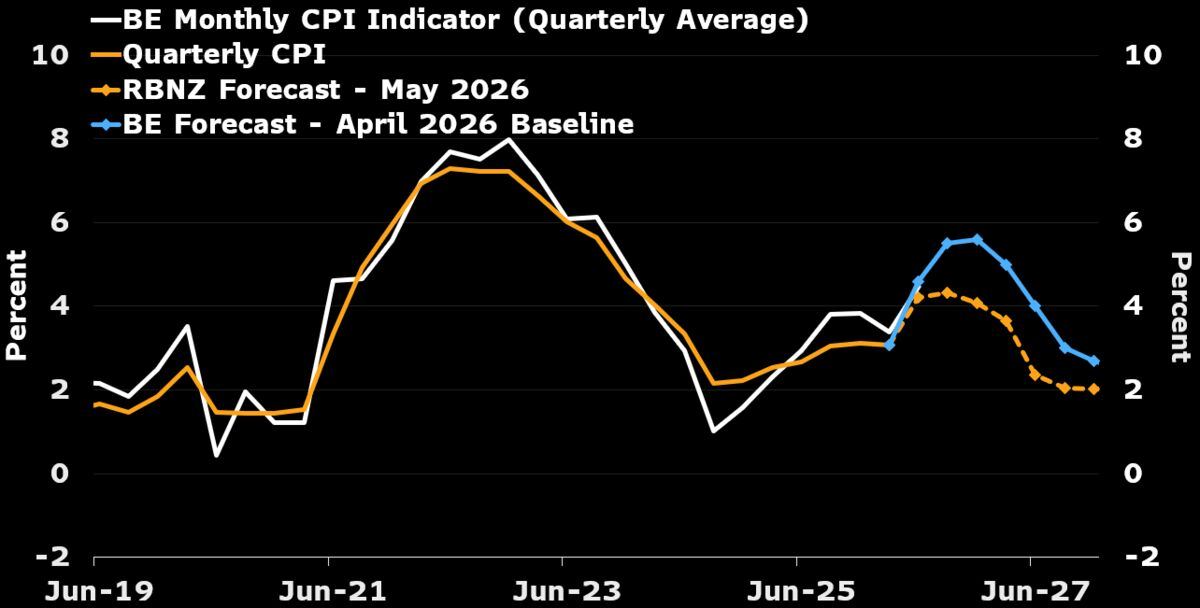
New Zealand inflation likely sticky as energy prices stay high. Food prices were flat in April after declining in six of the previous seven months. The Iran war has reset the inflation landscape. Higher fuel costs lift headline first, with second-round effects pushing up food and other goods prices. RBNZ unlikely to respond yet — elevated unemployment and a wide output gap give room for patience. Expect RBNZ on hold until 1Q27. Fuel Price Spike to Push Up Kiwi Inflation. Source: Bloomberg Economics.
VC+ Special Dispatch — The State of the World’s Ultra-Rich
A seven-chart dispatch on where the ultra-rich live, which countries are minting fortunes fastest, where billionaires are born, and how they are investing in 2026. The throughline: 713,626 ultra-high-net-worth individuals globally, the US and China together hold more than half, and the next billionaire boom is increasingly Asian, Middle Eastern and East European. Credit to the VC+ team.
Mapping the World’s Ultra-Wealthy
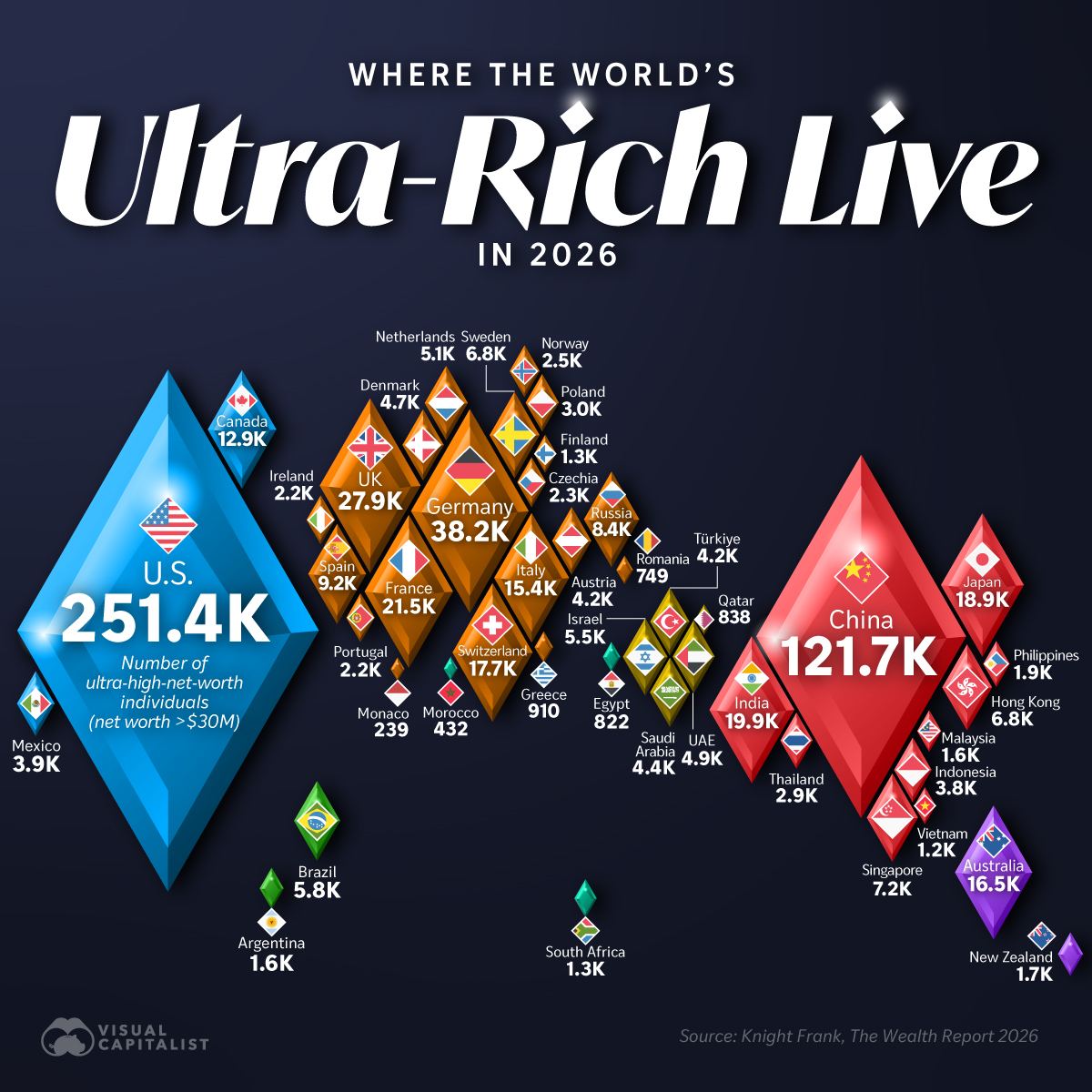
The United States is in a league of its own for ultra-high-net-worth individuals. 251,400 UHNWIs ($30M+ net worth) in the US, the only other country above 100,000 is China at 121,700. Germany (38,200), UK (27,900), France (21,500) anchor a European pole. The US and China together hold more than half of the world's 713,626 ultra-rich per Knight Frank's 2026 Wealth Report. Source: Knight Frank / Visual Capitalist.
Where the Billionaires Are
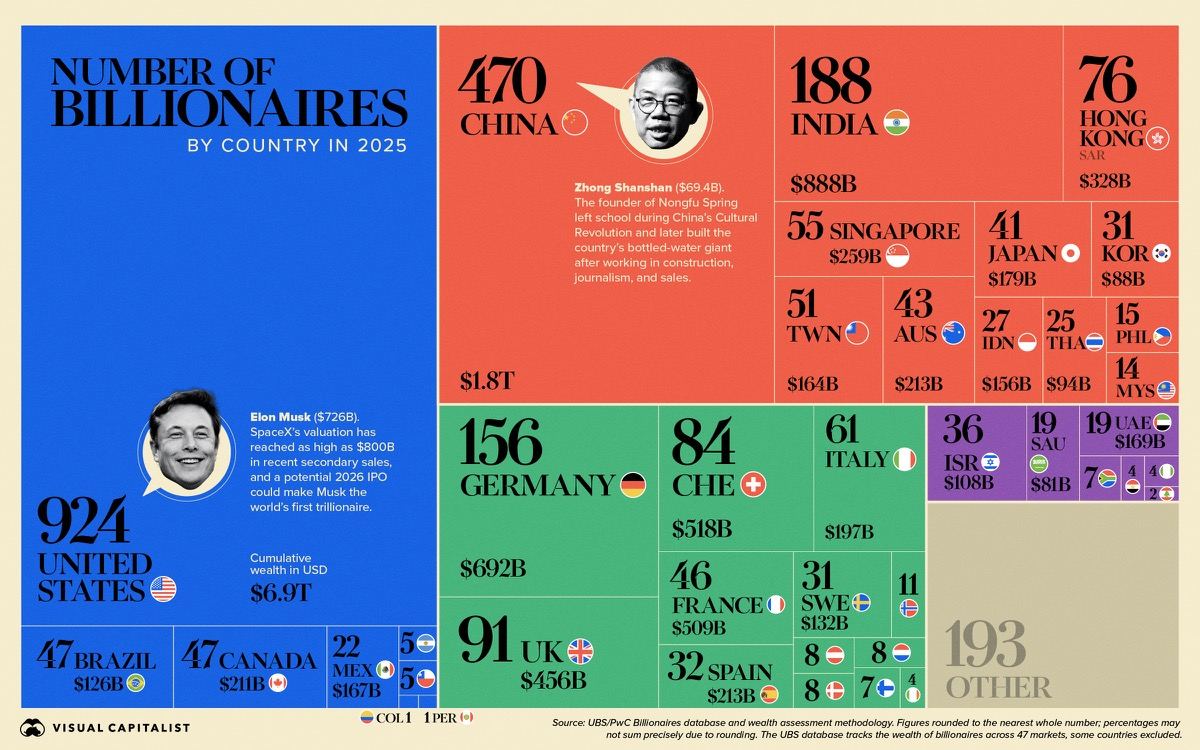
Where the billionaires are. America home to 924 billionaires worth $6.9 trillion combined, more than the next ten countries' billionaires put together. China second by headcount (470), then India (188), Germany (156). Musk alone now worth more than every billionaire in the UK and Italy combined after the SpaceX print Friday. Source: Forbes / Visual Capitalist.
The Rise of New Wealth
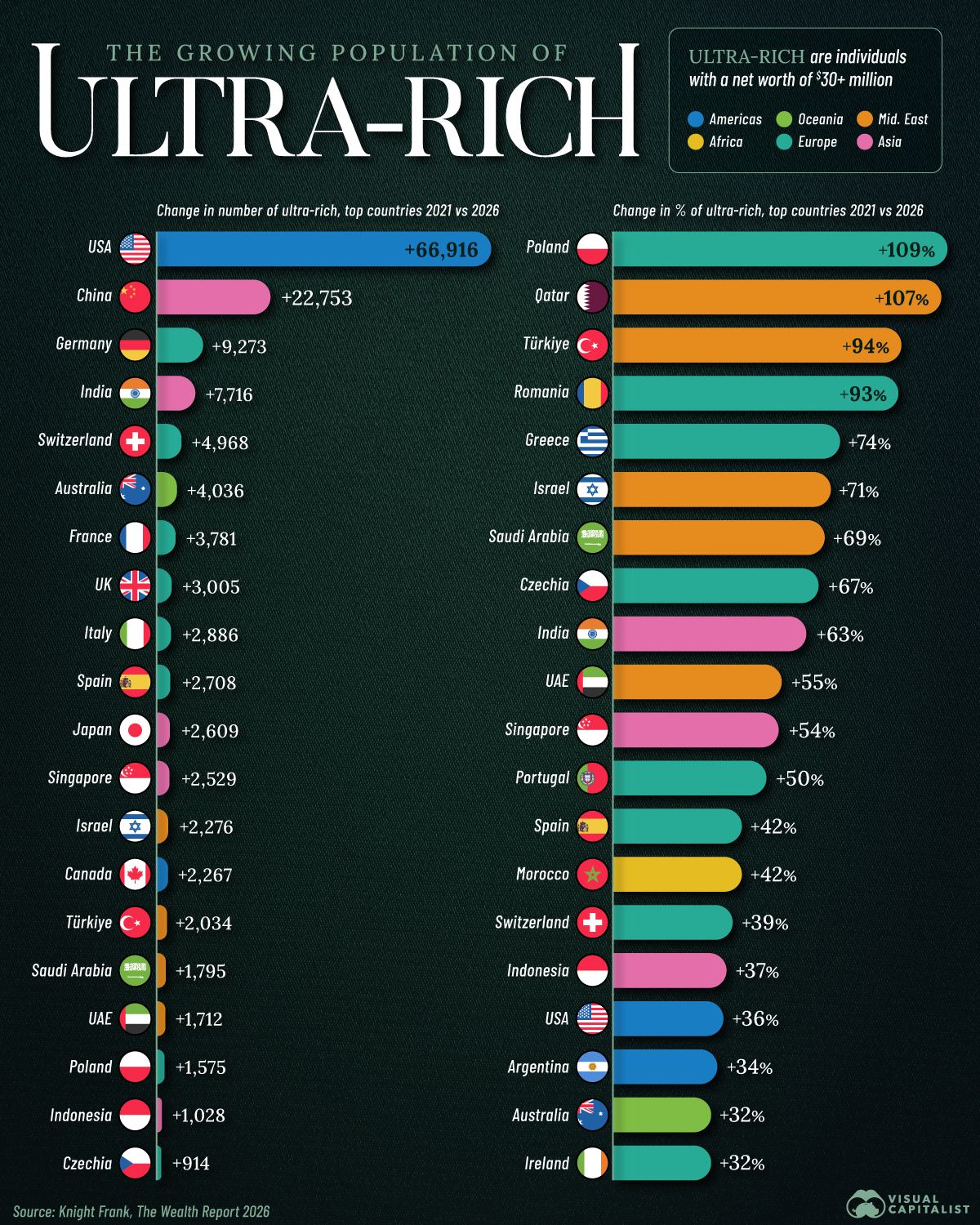
The ultra-rich population rose 162,000+ between 2021 and 2026, +30%. By absolute number, the US led at +67,000 (41% of global increase, almost 3x China). By growth rate, the emerging markets dominate — Poland +109%, Qatar +107%, Turkey +94%. Two different stories depending on the denominator. Source: Knight Frank / Visual Capitalist.
The Next Billionaire Boom
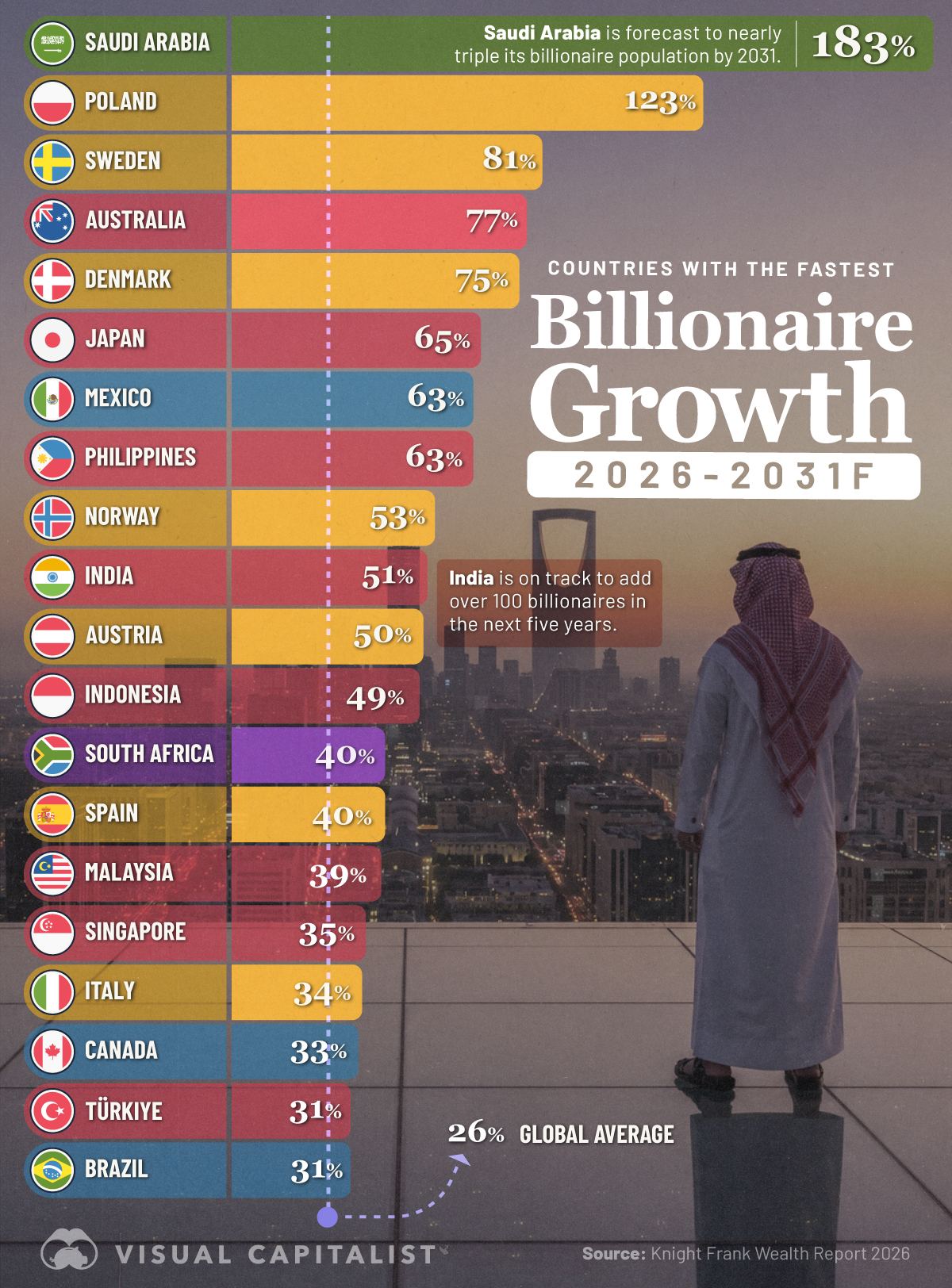
The next billionaire boom: Saudi Arabia tops the projected leaders, +183% by 2031. Then Poland (+123%), Sweden, Australia. India on track to add 100+ billionaires by 2031. Saudi top-down via Vision 2030 and the PIF; India bottom-up via private enterprise and startups. Source: Knight Frank / Visual Capitalist.
Where Billionaires Are Born
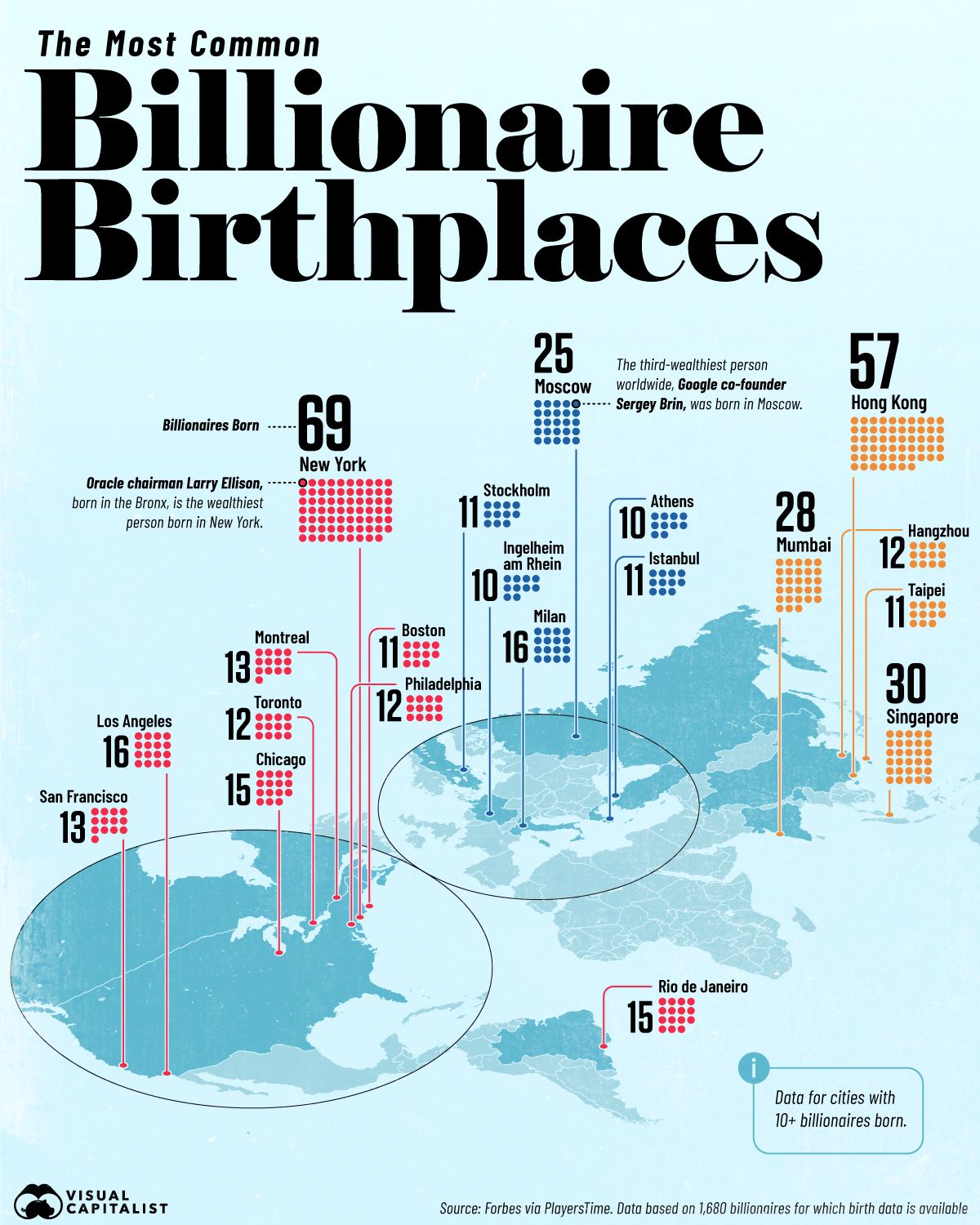
More billionaires were born in New York City than anywhere else. NYC 69 per Forbes, then Hong Kong 57, Singapore 30, Mumbai 28. Birthplace rarely matches where the money was made — Ellison born in the Bronx, Brin born in Moscow, both built their fortunes in Silicon Valley. Source: Forbes Real-Time Billionaires / Visual Capitalist.
America’s Billionaire Cradle
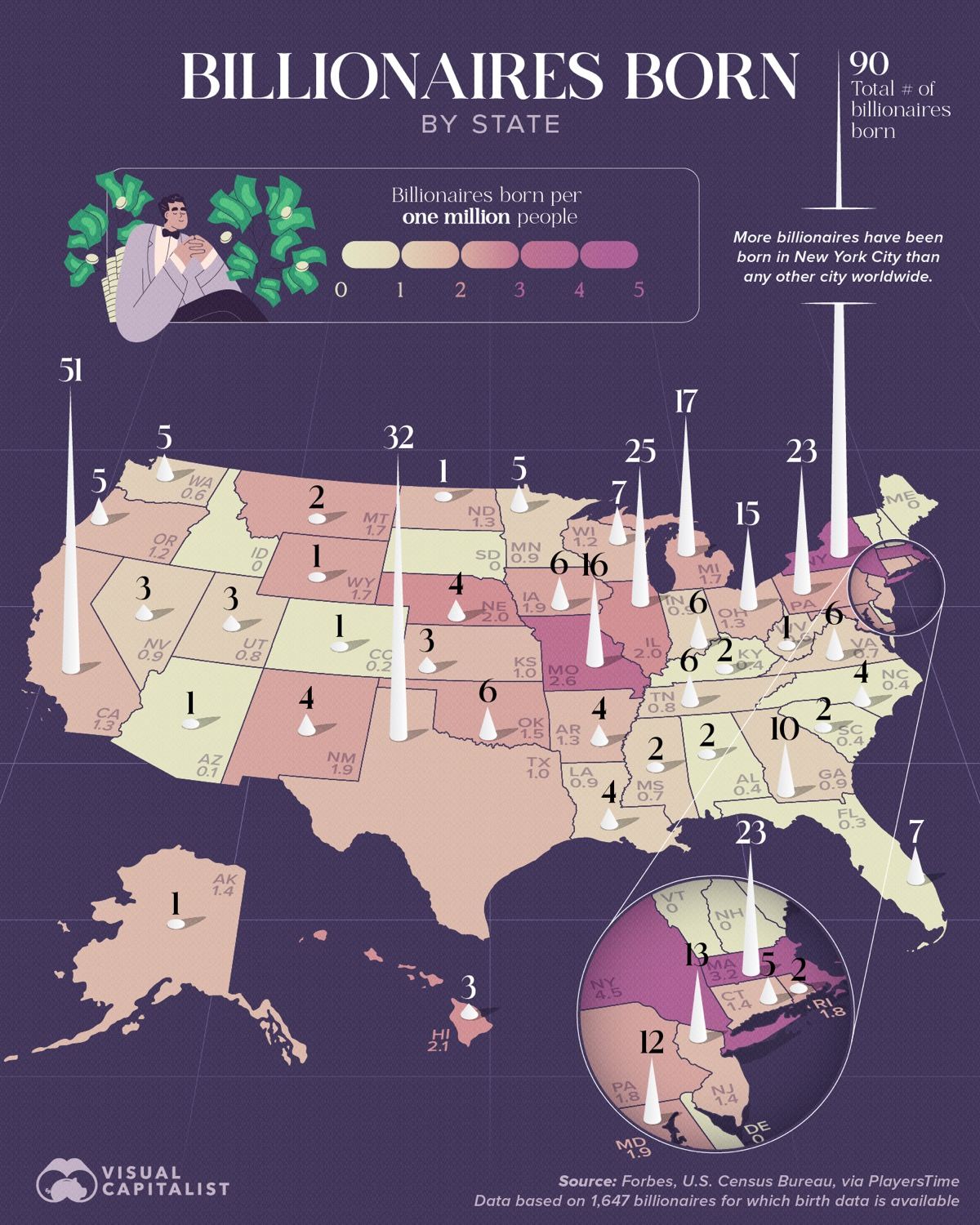
New York produced 90 billionaires, the most of any US state. California 51 a distant second. NYC and California create the fortunes; no-tax Florida and Texas import them. IRS migration data shows Florida +262k residents in 2022-23 while New York lost 267k. Source: Visual Capitalist.
How the Ultra-Rich Are Investing Now
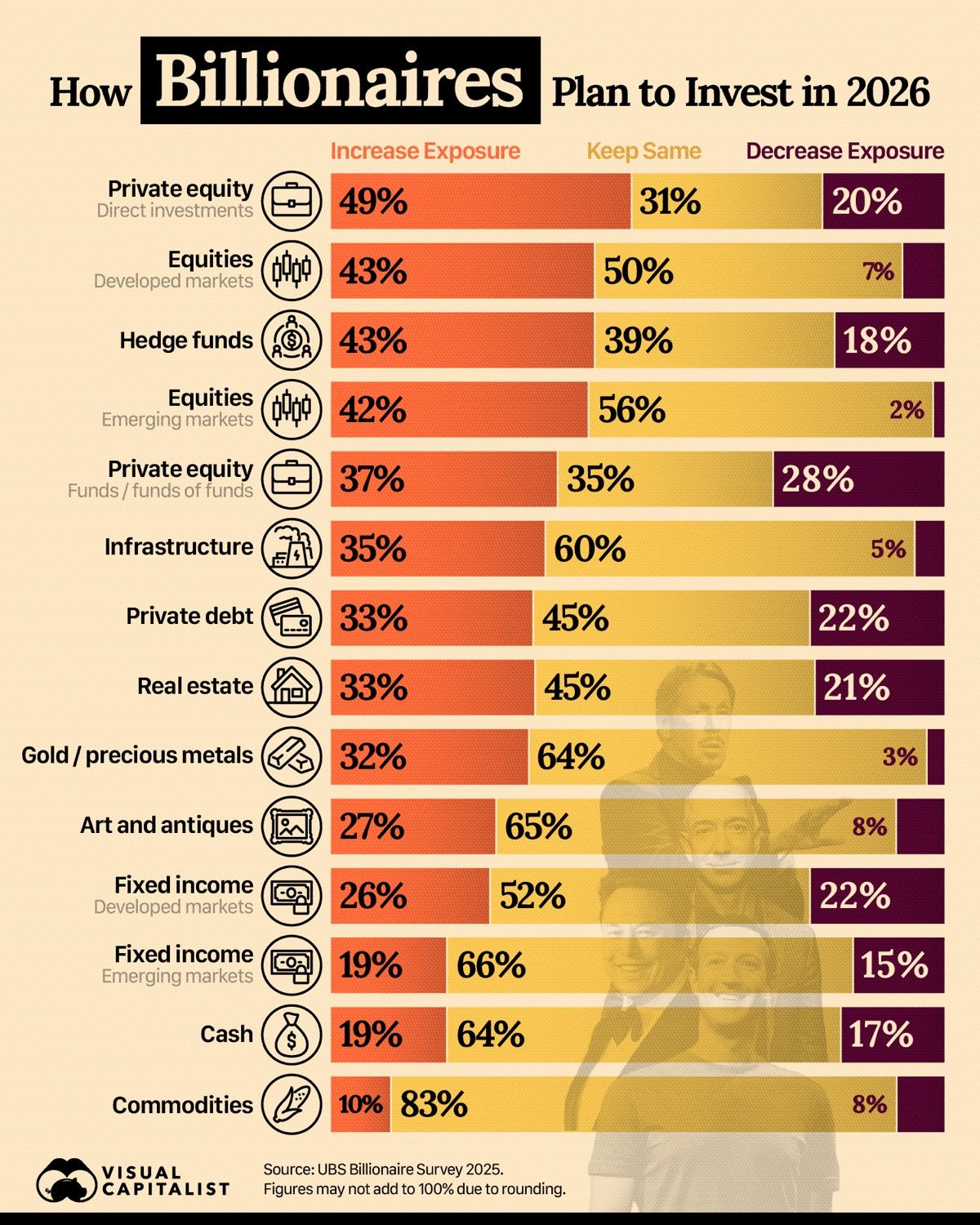
How the ultra-rich are investing now. UBS Billionaire Survey: nearly half plan to increase direct private-equity holdings, the top choice of any asset class. A third plan to add precious metals (prescient after gold's all-time highs in 2026). Cash ranks near the bottom — the wealthiest would rather keep capital working than let it sit idle. Source: UBS Billionaire Survey / Visual Capitalist.
The Good Wrap
What is left at the close. The Fed's 2025 well-being report. The $400 emergency-expense Fed chart. The Texas screwworm threatening the smallest US cattle herd in 75 years. The fermented-food consumption ranking. The fastest-growing cities in the hot tropics. The US share of forced-labour imports. The Swiss EU guillotine clause. Closing on a reminder that the body always gives you signs first.
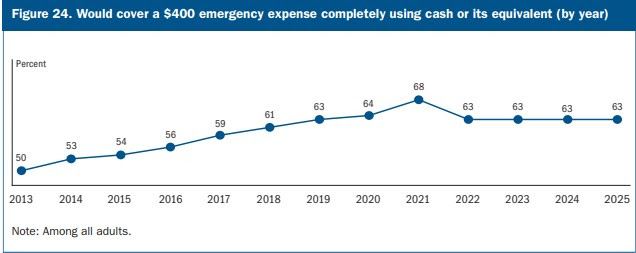
63% of Americans say they could cover a $400 emergency expense with savings, cash, or a credit card paid off at next statement. Down from the 2021 peak but well above a decade ago. The gap below the headline is wider: 18% could cover only up to $100 from savings alone. 38% could cover $5k+ from savings — the wealth-effect channel that anchors the consumer. Source: Federal Reserve 2025 Report on Well-Being.
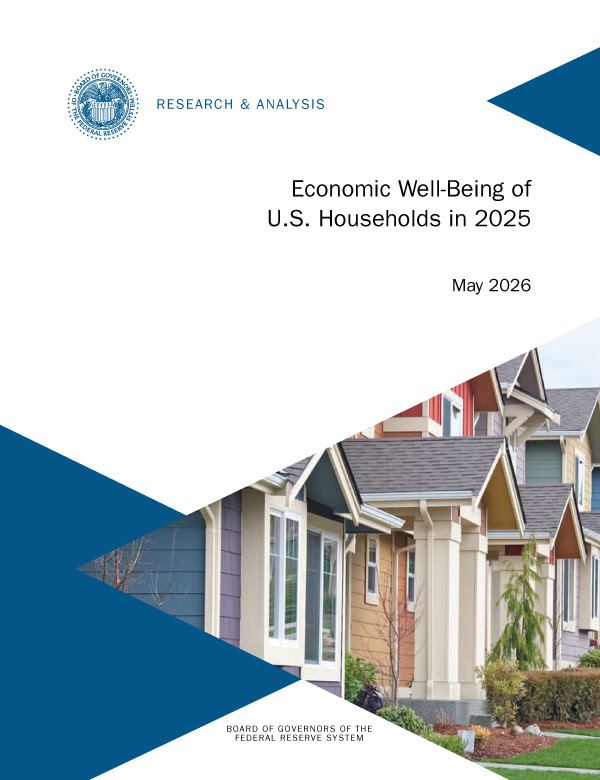
Fed 2025 economic well-being report. 73% of Americans said they were "doing okay" or "living comfortably" — unchanged from 2024. Price increases the top financial concern at 91%. Finding or keeping a job a concern for 42%, up from 37%. Only 26% rate the economy "good" or "excellent", down 24 percentage points from 2019. Source: Federal Reserve.
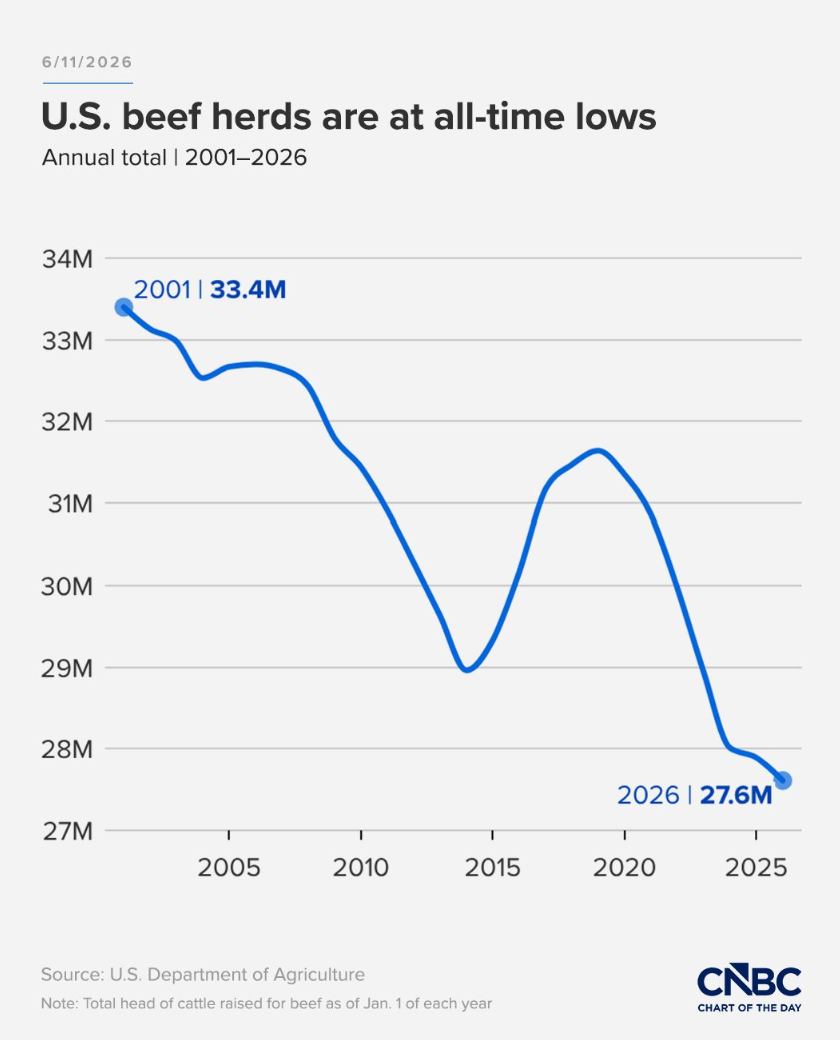
The screwworm in Texas could exacerbate US beef inflation. Invasive New World screwworm, a parasitic fly whose larvae burrow into the flesh of living warm-blooded animals. US cattle herd at a 75-year low. Tariffs on beef recently relaxed but the damage done. Trade-downs to cheaper cuts the consumer behaviour to watch. Source: Bloomberg.
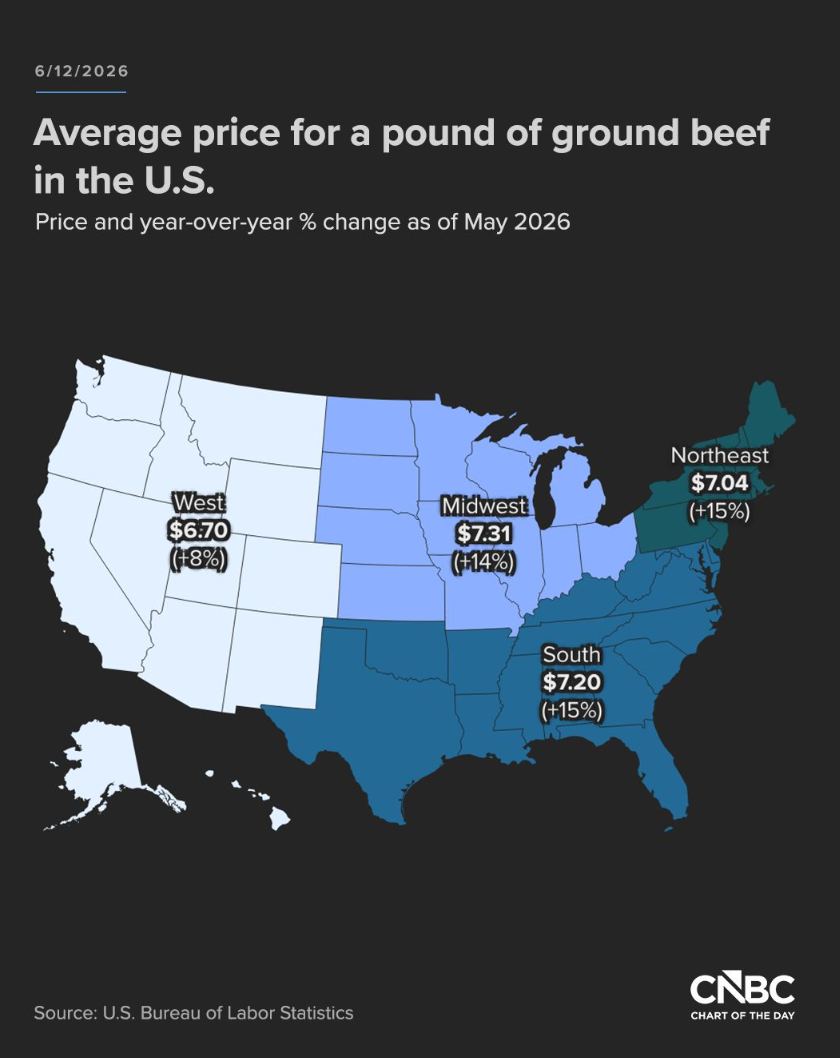
Higher beef prices ahead, but consumers haven't flinched yet. Pepperdine economist Brandon Parsons: smallest cattle herd in 75 years due to prolonged droughts, suspended cattle imports from Mexico. If prices keep climbing, trade-downs will follow. Source: Bloomberg.
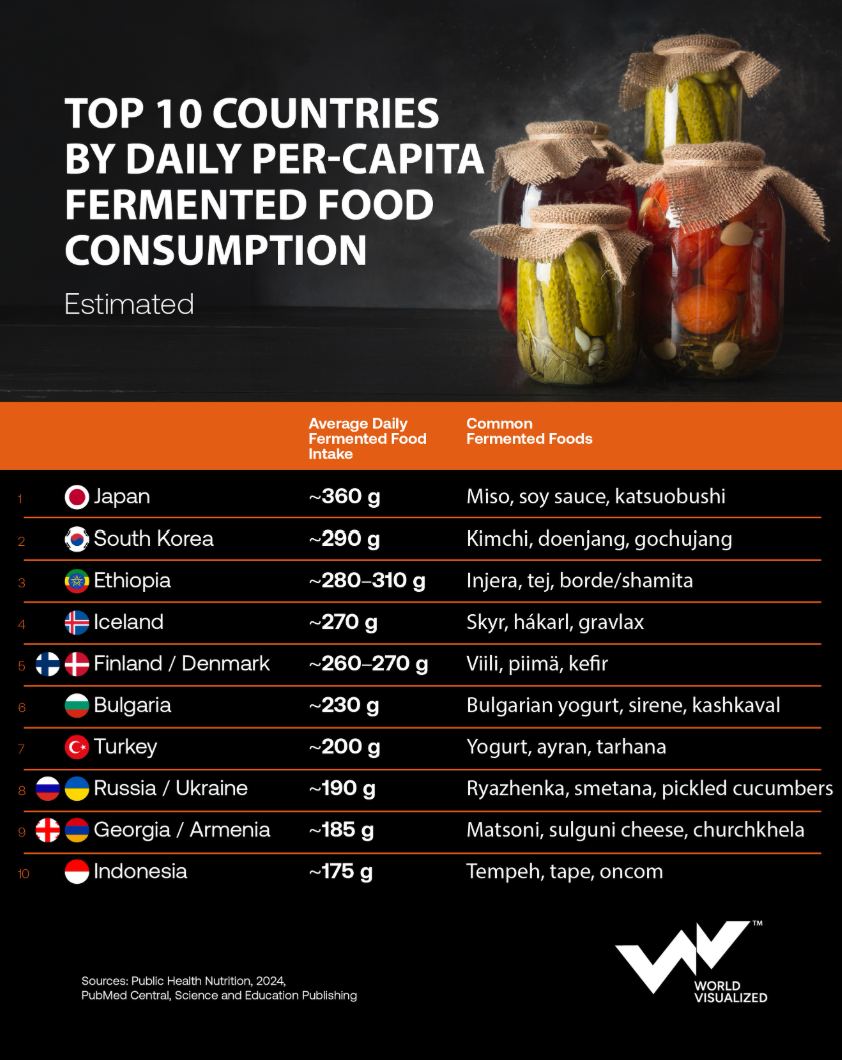
Fermented food consumption ranked across countries. Japan first at ~360g per person per day (miso, natto, tsukemono, shoyu). Korea second on kimchi. Ethiopia third on injera. Dairy fermentation traditions dominate the top 10 (Iceland, Finland, Bulgaria, Georgia via skyr, viili, yogurt, matsoni). The Asian soy and legume cluster (tempeh, miso, natto) shaped by Aspergillus oryzae, Rhizopus, Bacillus subtilis. Source: Visual Capitalist.
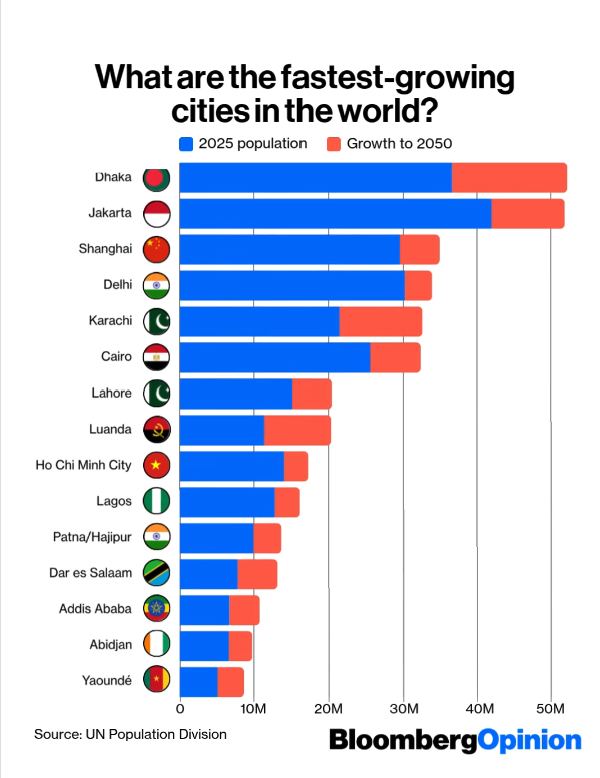
The fastest-growing cities are all in the hot tropics and subtropics, where overnight temperatures are already high and set to rise. Worse, cities are growing fastest where incomes are lowest. New housing built without passive-cooling standards, let alone AC. The heat-illness risk is greatest in megacities. Source: Bloomberg / Instagram.
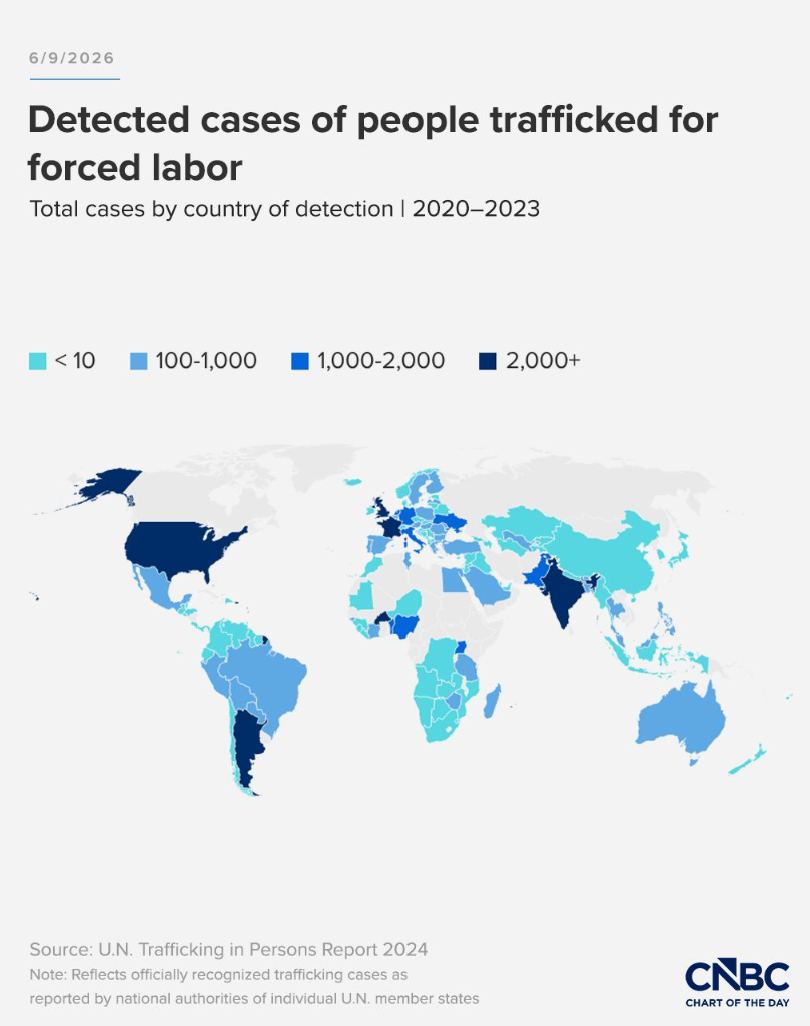
The US a focus of forced-labour concern. Homeland Security Operational Analysis Center 2025 report: US accounted for ~23% of all direct imports of at-risk goods (goods that BILA flags at elevated risk of being produced with forced labour) by value in 2021 but only 13% of global imports. Source: HSOAC / Visual Capitalist.
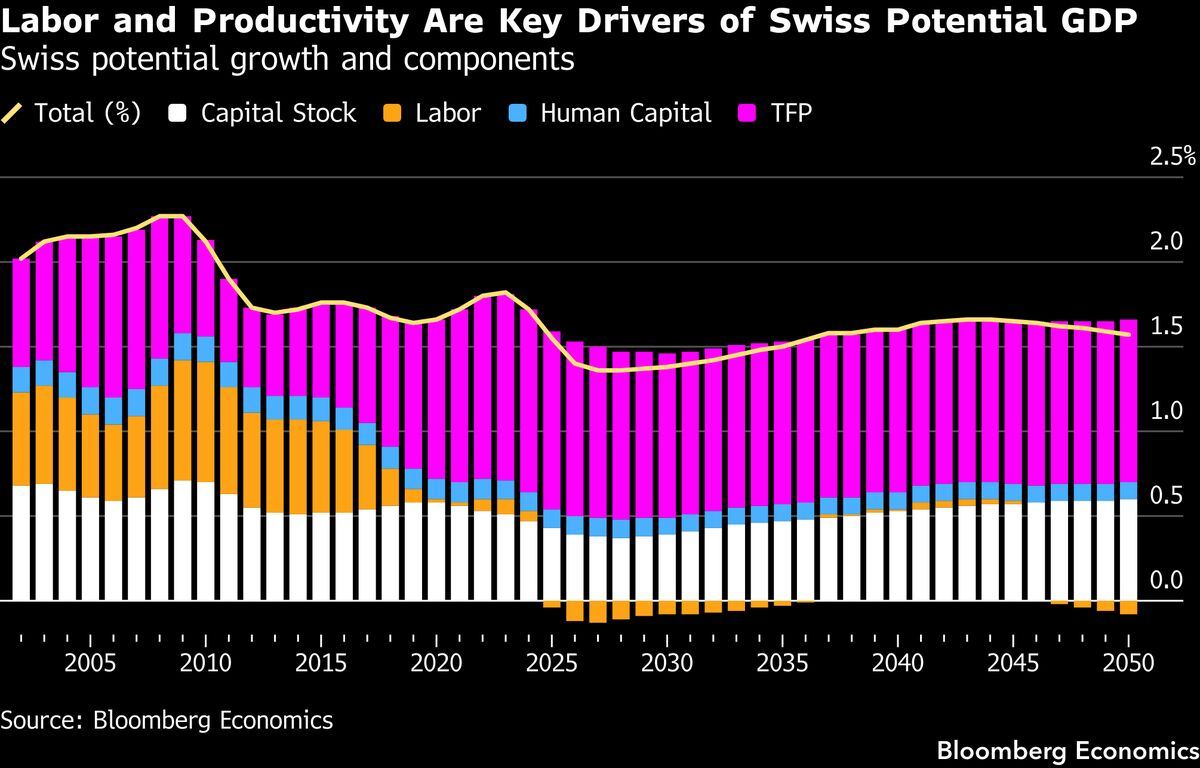
Switzerland's free-movement accord under the guillotine clause. If the population cap passes and stays in force, the proposal stipulates quitting the EU free-movement accord. The "guillotine clause" would cancel all bilateral pacts, shutting Swiss exporters out of the common market. Roche, Stadler Rail and other corporate leaders against the proposal. Source: Bloomberg.

Your body always gives you signs first. Small changes can sometimes mean your body needs more attention, more nutrients, rest, or a medical check-up. A reminder that markets and the body share the same logic — the lagging indicator is the one you notice, the leading indicator is the one you ignore. Source: Instagram health graphic.
Best,
Hoelon
WITPTW is a personal publication. Everything here is personal opinion and market commentary, written in a personal capacity. It is not investment advice and not a recommendation to buy or sell any security. It is not associated with, endorsed by, or representative of any employer, fund or company. Charts and images are reproduced from their original publishers, credited to their sources for commentary and discussion; all rights remain with the respective copyright holders.